





Iranian-Canadian communities across Vancouver and Toronto are expressing a mix of relief and deep anxiety following the announcement of a temporary two-week ceasefire between the United States and Iran.
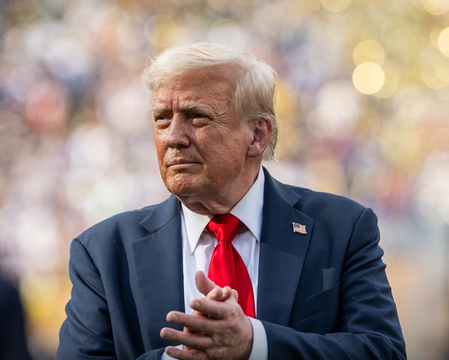
While the pause in hostilities has eased immediate fears, many say uncertainty continues to weigh heavily—especially for those with family members in Iran—after recent threats made by U.S. President Donald Trump.
Human rights advocate Soushiant Zanganehpour described the rhetoric as a dangerous escalation, criticizing threats targeting critical infrastructure and broader civilian impact. Trump had warned that “a whole civilization will die” unless Iran opened the Strait of Hormuz, setting off global concern before the ceasefire agreement was reached.
In Iran, civilians reportedly responded with visible acts of solidarity, forming human chains around infrastructure sites and gathering in public spaces, reflecting widespread fear of potential escalation.
In Vancouver, members of the Iranian diaspora reacted with both skepticism and concern. Some expressed doubt that such threats would be carried out, while others warned the situation remains volatile without a clear long-term strategy.
In Toronto, Iranian-Canadians described the emotional toll of closely following developments abroad. Residents said the last-minute suspension of potential strikes brought temporary relief but did little to resolve longer-term fears.
Rogina Aselfallah said she remains worried about her family, noting that while the ceasefire may prevent immediate disruptions to essential services, uncertainty about what comes next remains troubling.
Others echoed similar concerns. Babak Zamani described the difficulty of not knowing what loved ones are experiencing, saying families in Iran continue to live in fear. Meanwhile, Toronto business owner Sam Fayaz said many in the community were alarmed by rhetoric suggesting large-scale destruction, emphasizing that such outcomes are not what people want.
Fayaz added that many Iranian-Canadians feel a responsibility to speak out on behalf of those who cannot.
As the ceasefire period unfolds, many in the diaspora say they are hoping it will lead to a more permanent resolution. However, with limited clarity on next steps, uncertainty continues to shape the community’s outlook.