





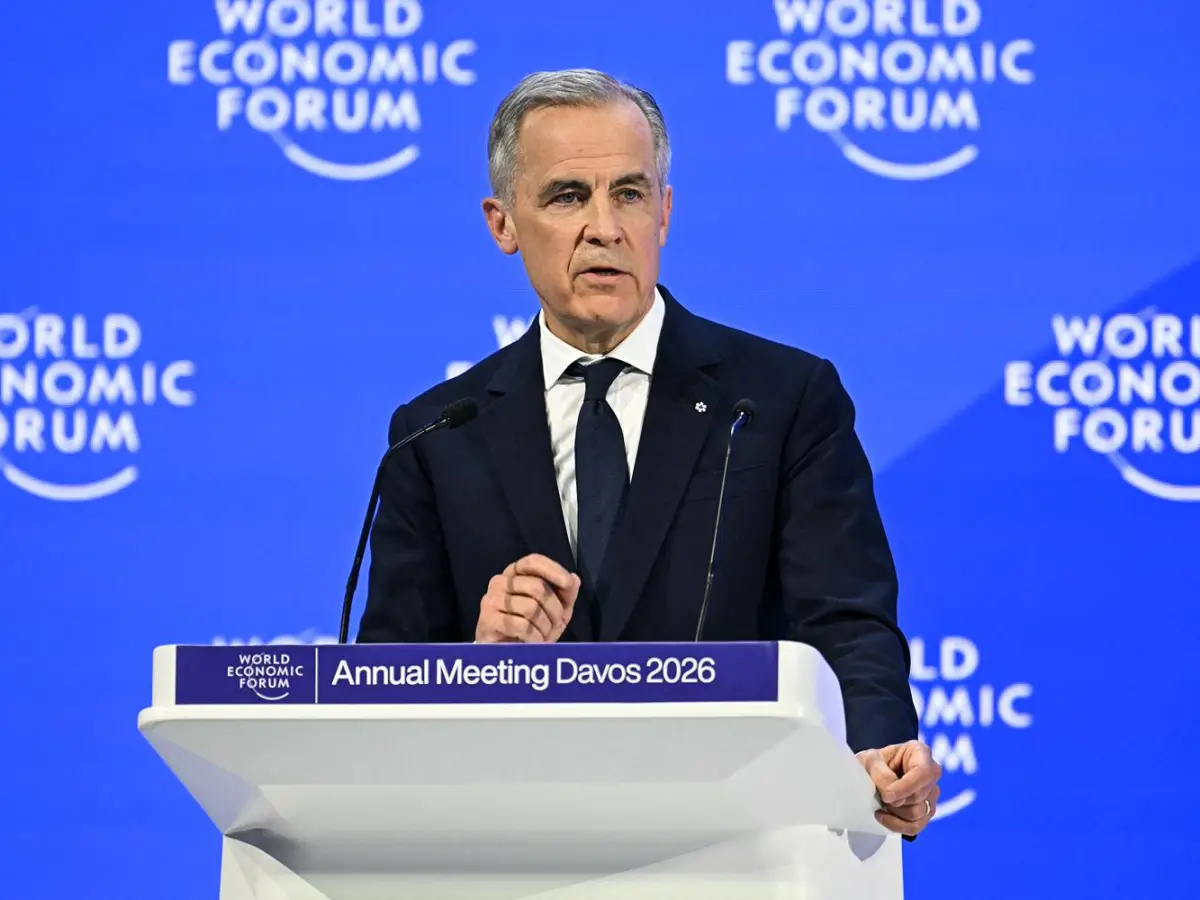
The federal government is moving ahead with its proposed high-speed rail network connecting Toronto to Quebec City, as Prime Minister Mark Carney defended the project amid political criticism and concerns over conflicts of interest.
The initiative builds on a $3.9 billion funding commitment first announced in February 2025 by former prime minister Justin Trudeau. At the time, François-Philippe Champagne served as minister of innovation before later becoming finance minister under Carney.
Addressing questions at a press conference in Brampton, Carney said Champagne had recused himself from decisions related to the project and “followed the rules,” emphasizing that ethical guidelines allow cabinet ministers’ partners to continue their professional work without interference.
Carney also highlighted the economic impact of the project, stating that the rail network—referred to as Alto—is expected to contribute approximately $35 billion to Canada’s economy and create more than 50,000 jobs.
The proposed 1,000-kilometre rail line will connect major urban centres including Toronto, Ottawa, Montreal and Quebec City, with additional stops in Trois-Rivières, Laval and Peterborough. The government estimates the network will serve more than 18 million people once completed.
However, the project faces mounting opposition, particularly in rural communities along the proposed route. The corridor is expected to pass through roughly 17 rural federal ridings across Ontario and Quebec, raising concerns about land use, environmental impact and local disruption.
Political criticism has also intensified, with Conservative Leader Pierre Poilievre pledging to cancel the project if elected. Poilievre has described the plan as unrealistic, calling it a “pie-in-the-sky” proposal and a costly “$90-billion Liberal boondoggle.”
Despite the pushback, the federal government continues to position the high-speed rail project as a transformative infrastructure investment aimed at improving connectivity, reducing travel times, and strengthening economic ties across Central Canada.