





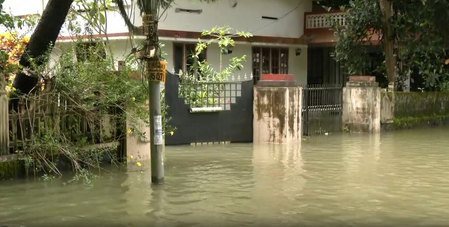
India’s annual monsoon season has claimed more than 100 lives since July, with heavy rainfall triggering widespread floods and landslides across several states, forcing thousands of people to leave their homes.
According to official figures, Assam has been the worst-affected state, recording at least 87 deaths, including 47 fatalities in Sivasagar district alone.
In Kerala, at least 15 people have died and seven remain missing after days of intense rainfall. More than 10,000 residents have been evacuated and are staying in over 300 relief camps.
Authorities in Jammu and Kashmir have also reported at least 31 deaths linked to heavy rain and flash floods.
Meanwhile, 14 people were killed by lightning strikes in Jharkhand, most of them farm workers caught in open fields during thunderstorms. The state has experienced a high number of lightning-related fatalities in recent years.
The annual monsoon is vital for India’s agriculture and water supply, but scientists say climate change and changing weather patterns, including the effects of El Niño, are making rainfall increasingly intense and unpredictable, leading to more frequent floods, landslides and extreme weather events.
The severe weather has also affected neighbouring countries. In Sri Lanka, monsoon flooding has killed at least eight people and displaced around 12,000 residents, even as parts of the country’s east continue to grapple with severe drought conditions.