





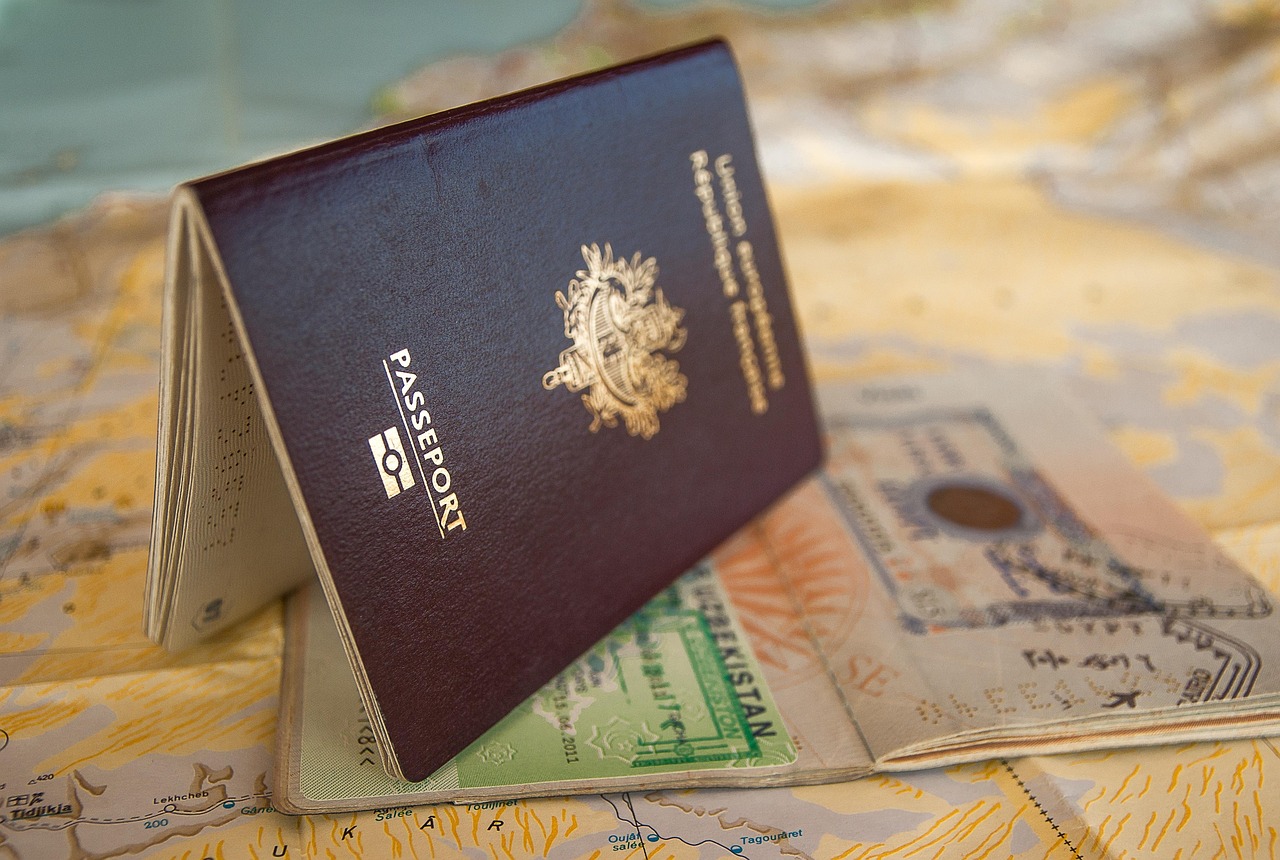
The Trump administration has approved visas for senior Iranian officials, including President Masoud Pezeshkian and Foreign Minister Abbas Araghchi, to attend next week’s United Nations General Assembly high-level meetings in New York despite the continuing conflict between the United States and Iran.
The U.S. State Department said Thursday that visas had been authorized for Iran’s “core delegation” and essential staff required to participate in the UN meetings. U.S. officials said the delegation includes Pezeshkian and Araghchi, although they spoke anonymously because of federal visa privacy requirements.
The decision comes more than six months into the U.S.-Iran conflict, which began on February 28, with no agreement yet to reopen the Strait of Hormuz or resume negotiations over Iran’s nuclear program. Regional tensions have also remained elevated amid attacks by Iranian-backed Houthi forces in Yemen on Saudi infrastructure and shipping in the Red Sea.
Washington continues to designate Iran as a state sponsor of terrorism and maintains extensive sanctions against Tehran. The United States has also recently launched additional measures intended to disrupt what the administration describes as critical financial networks supporting Iran.
Despite those tensions, the United States has obligations as the host country of the United Nations headquarters in New York that generally limit its ability to prevent foreign delegations from attending UN meetings. Washington has, however, previously denied visas or discouraged applications from certain foreign officials.
The State Department said the Iranian delegation would be smaller than the one permitted to attend last year’s General Assembly and would face restrictions while in the United States. Iranian officials will be subject to limits on their travel and prohibited from purchasing certain luxury and other goods.
Iranian diplomats attending the 2025 General Assembly were also subject to strict movement restrictions in New York. Those measures limited how far members of the delegation could travel from Iran’s UN mission and included restrictions on shopping at wholesale membership stores.
The approval of the Iranian delegation’s visas comes one day after the State Department denied visas to Palestinian President Mahmoud Abbas and members of his delegation seeking to attend the General Assembly.
The State Department accused the Palestinian Authority of attempting to “internationalize” the Gaza conflict through cases involving the International Court of Justice and International Criminal Court. Washington also criticized the Palestinian Authority over payments made to Palestinians imprisoned by Israel for attacks against Israelis.
The Palestinian Authority condemned the U.S. decision, arguing that restrictions against Palestinian officials would undermine rather than advance diplomatic efforts. Its foreign ministry maintained that the Palestinian leadership remains committed to a negotiated political settlement while defending its efforts to pursue international recognition and legal avenues.
The contrasting visa decisions place renewed attention on Washington’s role as host of the United Nations at a time when several major international conflicts are expected to dominate the General Assembly meetings.
While Iranian leaders will be permitted to participate, the visa approvals do not indicate a diplomatic breakthrough between Washington and Tehran. The two governments remain in conflict, and major disputes over the Strait of Hormuz, Iran’s nuclear program and regional security remain unresolved.