




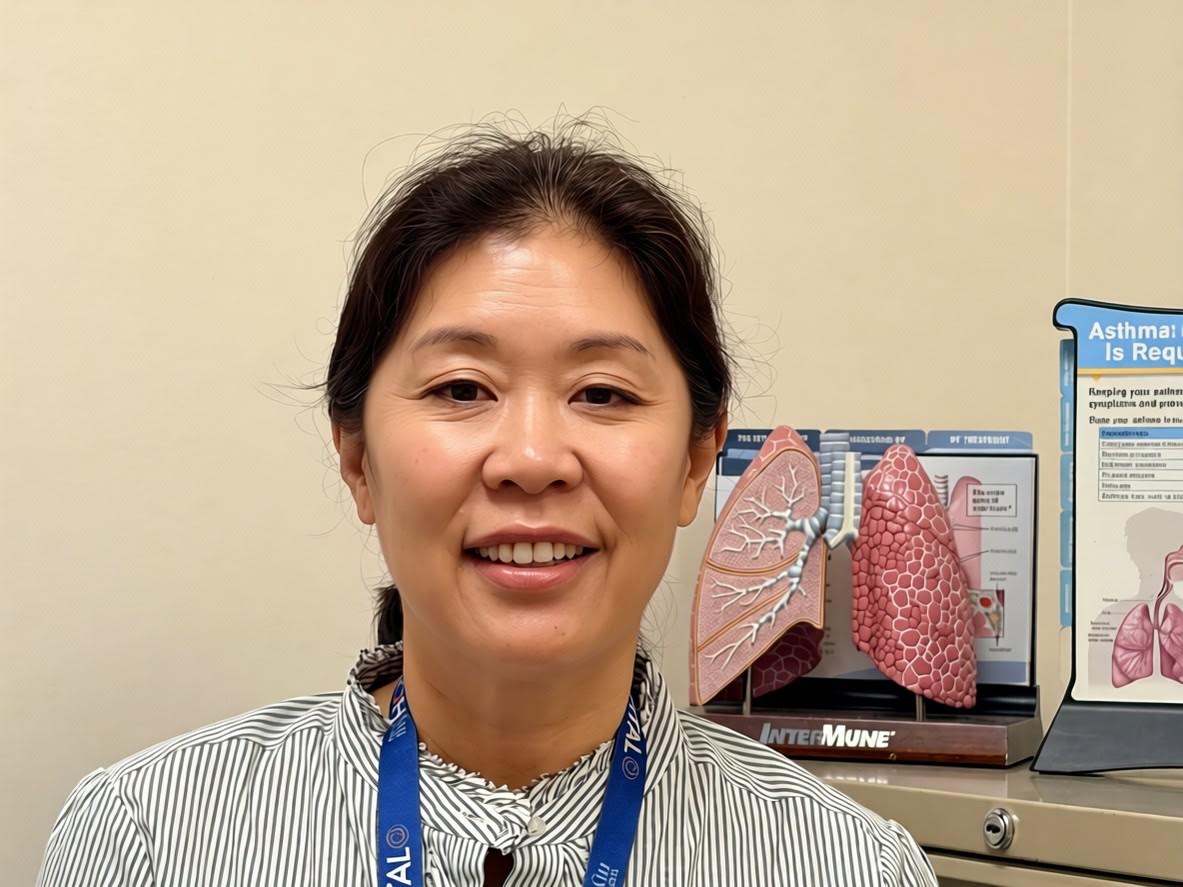
Sue Impey, BSc, RRT, CRE is an Asthma/COPD Educator and Pulmonary Rehabilitation Program Coordinator at William Osler Health System (Osler), where
she has been a valued team member since 1992. Sue completed her degree at the University of Toronto before earning her Respiratory Therapy Diploma. She
became a Certified Respiratory Educator in 2001 and has played an important role
in expanding Osler’s Asthma, COPD and Pulmonary Rehabilitation Programs,supporting respiratory care and patient education across the organization.
September is a peak period for asthma flair ups. During fall months people with asthma will often experience increased symptoms that sometimes lead
to emergency department visits and hospitalizations. William Osler Health System’s Sue Impey shares five ways to reduce your risk and manage symptoms:
Stay on top of your medications.
Take your asthma medications as prescribed, even when you are feeling well. Consistent daily use of your inhalers helps reduce airway obstruction and lower the risk of flare-ups, while rescue inhalers should always be available for quick relief when symptoms occur.
Know your triggers.
Common asthma triggers include ragweed pollen, mould, dust mites, cold and flu and cooler air. Identifying your personal triggers and limiting exposure whenever possible can help reduce symptoms and prevent flare-ups.
Review your asthma action plan.
An asthma action plan outlines how to manage your symptoms and what to do if they get worse. If you don’t have one, speak with your health care provider about creating one. If you already have a plan, review it regularly to make sure it reflects your current medications and treatment plan.
Recognize the warning signs of a flare-up.
Increasing cough, wheezing, chest tightness or shortness of breath can be early signs that your asthma is worsening. Act quickly and follow your asthma action plan to prevent more serious symptoms and reduce the need for emergency care. If symptoms worsen, call 911 or go the nearest emergency department.
Be prepared for cold and flu season.
Colds, influenza and other respiratory infections are common asthma triggers. Practising good hand hygiene, staying up-to-date on recommended vaccinations and avoiding close contact with people who are sick, helps reduce your risk of infection and asthma flare-ups.
Five Tips to Manage Asthma During the September Peak


- Advertisment -