





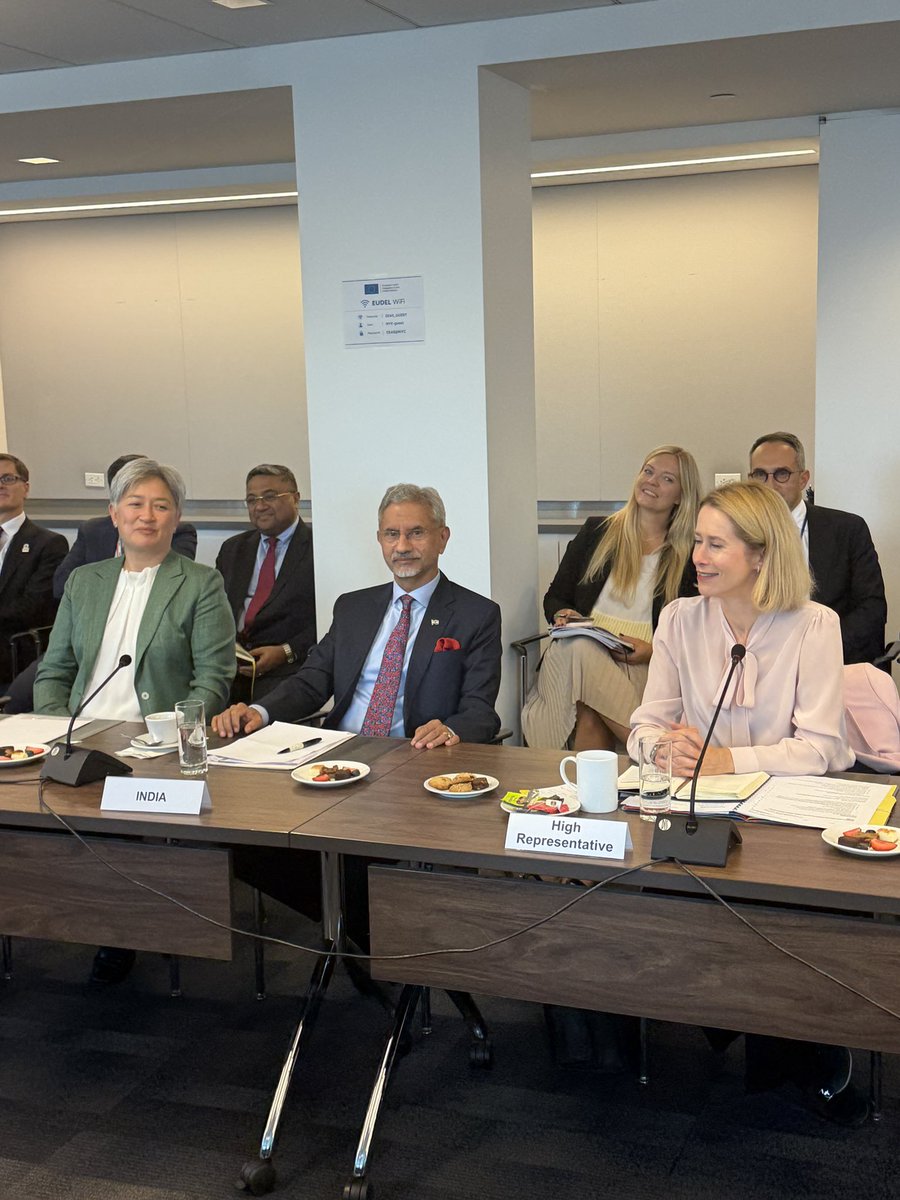
India’s External Affairs Minister S. Jaishankar has called for a stronger and reformed multilateral system, warning that geopolitical tensions, intensifying competition and ongoing conflicts are placing the global order under significant stress.
Speaking at the summit initiated by European Council President António Costa, with India participating as a co-sponsor, Jaishankar said the world had experienced a gradual rebalancing of power for decades, but recent geopolitical rivalry and conflicts had given that transformation a different character. He warned that, if left unchecked, these pressures could undermine the spirit of international cooperation.
Jaishankar said cooperation remains essential across a broad range of global challenges, including international peace and security, climate action and climate justice, emerging technologies, development financing, counterterrorism, supply-chain resilience, disaster preparedness and future pandemics. He argued that progress already achieved in these areas has largely depended on collective international action.
The foreign minister also highlighted what he described as the global “4F crisis” — fuel, food, fertilizer and finance — saying these pressures cannot simply be allowed to continue without coordinated action. He called for appropriate international “frameworks and guardrails” as new technologies and capabilities emerge, while advocating de-risking and diversification where countries face vulnerabilities from supply-chain disruptions or the dominance of critical chokepoints.
Jaishankar said countries with shared interests should also have the confidence to work together on compelling international challenges. At the same time, he stressed that effective multilateralism depends on countries observing international law, established rules and norms.
Calling “reformed multilateralism” essential, Jaishankar said international institutions need more participatory deliberations and transparent decision-making. Such reforms, he argued, could restore greater optimism and confidence in the United Nations system while strengthening countries’ willingness to cooperate on increasingly complex global challenges.