





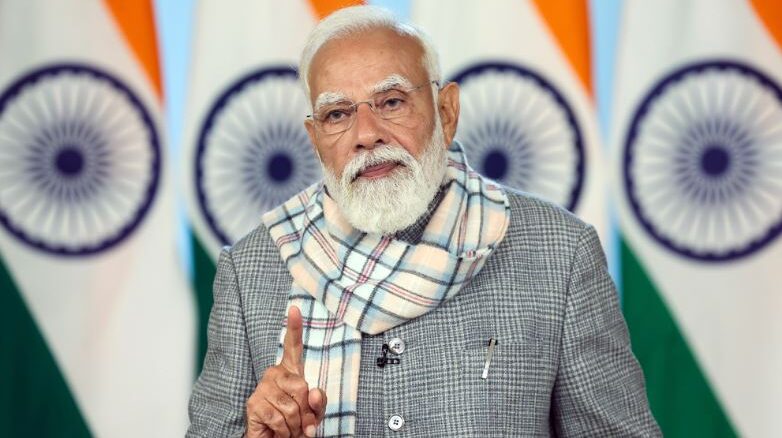
Indian Prime Minister Narendra Modi and Ukrainian President Volodymyr Zelenskyy held a telephone conversation on November 9, 2026, to discuss diplomatic efforts to end the Russia-Ukraine war, with particular emphasis on maritime security, global food supplies and India’s potential role in facilitating peace.
The discussion took place ahead of U.S.-mediated negotiations involving representatives from Ukraine, Russia and the United States, scheduled for November 10 and 11 in Abu Dhabi, United Arab Emirates.
The two leaders reviewed ongoing international peace initiatives and the importance of maintaining essential trade routes amid continuing disruptions caused by the conflict.
Zelenskyy seeks India’s support for Black Sea grain corridors
During the conversation, Zelenskyy sought India’s assistance in efforts to establish and maintain safe maritime corridors for agricultural exports through the Black Sea.
Ukraine remains a major agricultural exporter, and restrictions on maritime shipping have raised concerns about disruptions to international food supplies, particularly for countries dependent on imported grain.
The Ukrainian president emphasized the importance of protecting civilian vessels and ensuring the uninterrupted movement of agricultural commodities through the region.
India’s potential involvement in facilitating maritime arrangements was discussed as part of broader efforts to reduce the economic and humanitarian consequences of the war.
Modi reiterates India’s commitment to dialogue and diplomacy
Prime Minister Modi reaffirmed India’s longstanding position that the Russia-Ukraine conflict should be resolved through peaceful negotiations and diplomatic engagement.
He conveyed India’s willingness to contribute to international efforts aimed at restoring stability, protecting civilian interests and maintaining the movement of essential commodities.
New Delhi has consistently advocated dialogue between the conflicting parties while maintaining diplomatic relationships with both Moscow and Kyiv.
India’s approach has emphasized the importance of peaceful conflict resolution, humanitarian considerations and international cooperation in addressing the wider consequences of the war.
Conversation precedes U.S.-mediated negotiations in Abu Dhabi
The telephone exchange came as diplomatic preparations continued for two days of trilateral negotiations in Abu Dhabi involving Ukraine, Russia and the United States.
The discussions are expected to address security guarantees, conditions for reducing hostilities and potential measures to advance a negotiated settlement.
The planned talks follow renewed military exchanges between Russia and Ukraine, including attacks on energy infrastructure and other strategic facilities.
The continued fighting has complicated international mediation efforts, with substantial disagreements remaining over territorial control, security arrangements and the conditions required for a lasting peace agreement.
India’s diplomatic approach emphasizes trade and civilian security
India has previously highlighted several priorities in discussions concerning the conflict, including protecting civilian shipping, restoring agricultural and energy supplies, and reducing attacks on critical infrastructure.
These objectives reflect concerns about the broader economic consequences of the war, particularly its effects on global food security, energy markets and international trade.
For New Delhi, ensuring the stability of essential supply chains remains an important consideration given India’s economic relationships with countries affected by the conflict.
The Modi-Zelenskyy conversation highlighted India’s continued engagement with international peace initiatives as diplomatic efforts intensify ahead of the Abu Dhabi negotiations.
While no formal mediation arrangement was announced following the call, the discussion reflected both countries’ interest in exploring diplomatic measures to reduce hostilities and restore stability in the region.