





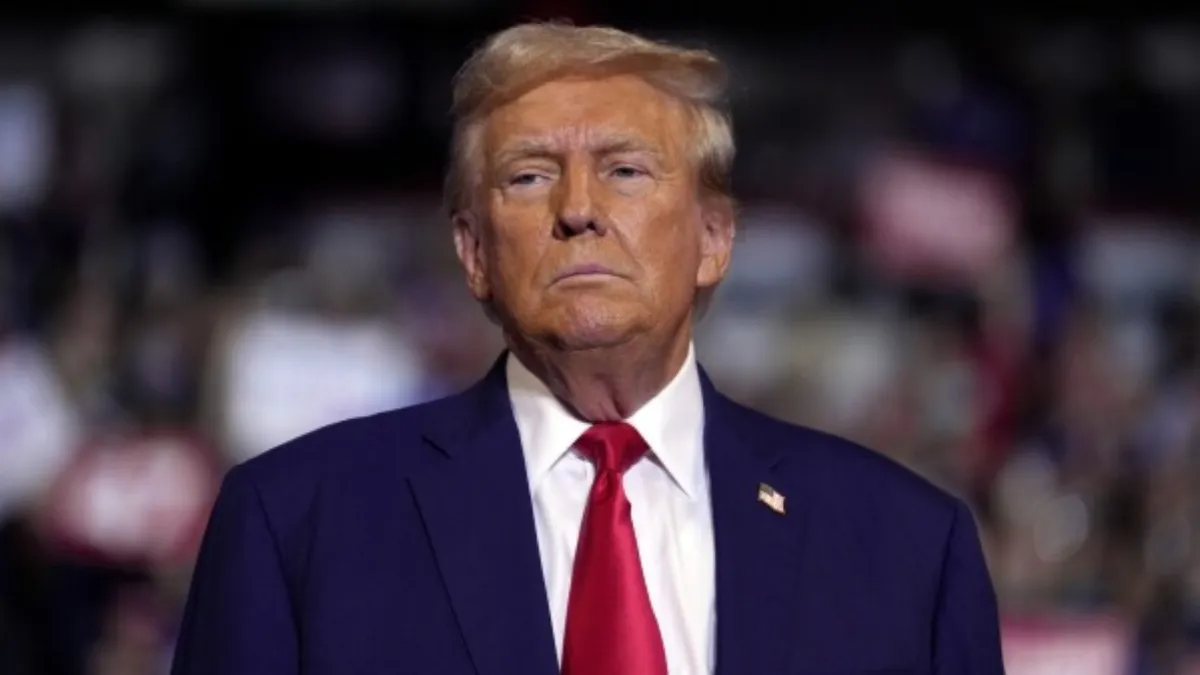

The Trump administration is preparing a fresh wave of tariffs targeting China, the European Union, Brazil, India and several other major trading partners over allegations that government subsidies and excess industrial capacity are distorting global markets and undermining American manufacturing. The proposed measures mark a renewed effort by Washington to restructure international trade and rebuild its tariff regime following a major legal setback earlier this year.
The Office of the U.S. Trade Representative (USTR), led by Jamieson Greer, is pursuing the measures under Section 301 of the Trade Act of 1974, which authorizes Washington to respond to foreign trade practices deemed unfair or discriminatory. The proposals follow investigations launched in March 2026 into 16 economies over state-backed industrial overcapacity, manufacturing subsidies and policies that allegedly disadvantage American businesses.
The move comes after the U.S. Supreme Court struck down earlier tariffs imposed under emergency economic powers in February 2026, forcing the Trump administration to pursue alternative legal mechanisms to implement its protectionist trade agenda.
The USTR formally announced its findings against 14 economies on November 25, following an investigation that received 1,070 public submissions and testimony from nearly 140 witnesses. Investigations involving Mexico and Norway remain pending. Brazil faces separate proposed trade measures and is not among the 14 economies covered by the industrial overcapacity announcement. United States Trade Representative+1
Under the proposed framework, Vietnam could face tariffs of up to 35%, falling to 20% under a trade agreement, while India faces duties of up to 25%, potentially reduced to 17% if bilateral negotiations succeed. China and Singapore face proposed rates of up to 20%, although Singapore could secure a 10% rate. Bangladesh, Cambodia, Indonesia, Malaysia and Thailand face duties of up to 18%, while the European Union, Japan, South Korea, Switzerland and Taiwan face proposed rates of 15%, subject to existing agreements and applicable duties.
China remains among the most exposed economies, with the proposed additional 20% levy potentially bringing total tariffs on certain Chinese products to 45%. Washington is also reportedly considering exemptions covering $30 billion worth of Chinese goods. Meanwhile, Brazil faces potential additional duties on sugar and a new 10% tariff on aircraft following stalled trade negotiations. AP News+1
Economic implications for India
The proposed tariffs come at a critical juncture for India, which has been seeking to expand its manufacturing sector and establish itself as an alternative global production hub to China. Washington has raised concerns about India’s industrial incentives, barriers to foreign businesses and manufacturing policies, with particular attention to pharmaceuticals, medical equipment, steel, solar technology and telecommunications.
India’s flagship Production Linked Incentive (PLI) programme, launched in 2020, has an approved outlay of approximately ₹1.97 lakh crore across 14 sectors. The programme is designed to attract investment, increase domestic manufacturing, reduce import dependence and strengthen India’s export competitiveness.
The United States is India’s largest merchandise export destination, accounting for approximately one-fifth of its goods exports. Bilateral goods and services trade reached approximately US$239.6 billion in 2025, including $103.8 billion in Indian merchandise exports and $45.4 billion in imports from the United States, giving India a merchandise trade surplus of approximately $58.4 billion.
A preliminary trade framework announced in February 2026 had reduced punitive U.S. tariffs on most Indian goods from 50% to 18%. Following the Supreme Court ruling against Trump’s emergency tariff powers, a 10% baseline levy was introduced. The latest proposal would raise India’s applicable rate to 17% under a negotiated agreement or as high as 25% without one, subject to product exemptions and existing tariff arrangements. Reuters
Higher duties could undermine the competitiveness of Indian exporters, particularly in labour-intensive industries such as textiles, apparel, gems and jewellery, and engineering goods. Exporters could face shrinking profit margins, weaker orders and pressure on employment, while prolonged trade uncertainty could discourage manufacturing investment and weigh on the Indian rupee.
However, securing a 17% rate could give India a competitive advantage over several Asian manufacturing rivals. The eight-percentage-point difference between the proposed negotiated and non-negotiated rates gives New Delhi a significant financial incentive to conclude its trade agreement with Washington.
Global economic implications
The renewed tariff offensive risks disrupting international supply chains, increasing production costs and adding to inflationary pressures in the United States. Although the Trump administration argues that higher import duties will protect American manufacturing and encourage companies to relocate production domestically, tariffs are paid by American importers, who may pass those additional costs on to businesses and consumers.
The proposals generally account for existing Section 232 tariffs on products such as automobiles, steel and aluminium, as well as separate duties related to forced labour. Consequently, the cumulative tariff burden will vary considerably by country and product.
The measures have not yet taken effect. The USTR has set January 5, 2027, as the deadline for written submissions, with public hearings scheduled to begin on January 25. Final rates and exemptions will depend on consultations and trade negotiations, leaving major exporting economies facing renewed uncertainty heading into 2027.