




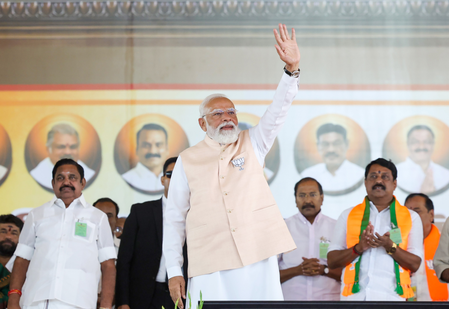
Seat-sharing negotiations between the AIADMK and the BJP ahead of the upcoming Tamil Nadu Assembly elections are shaping up to be guided more by “winnability” than by the sheer number of constituencies allotted to each party. The BJP, a key partner in the AIADMK-led National Democratic Alliance (NDA) in the State, is pressing for a significantly larger share of seats this time. In the 2021 Assembly elections, the BJP contested 20 constituencies and won four. Encouraged by what it describes as improved grassroots presence and organisational strength, the party is now seeking to contest more than 35 seats in the forthcoming polls. BJP leaders are backing their demand with data from the 2024 Lok Sabha elections, in which the party secured around 11.4 per cent of the total vote share in Tamil Nadu and finished second in 10 parliamentary constituencies. The party believes this performance reflects a steady expansion of its support base and justifies a larger role within the alliance. However, AIADMK sources indicate that the party leadership is cautious about conceding to the BJP’s demand in full. Senior leaders are said to have expressed reservations about the BJP’s ability to convert vote share into Assembly victories across all the constituencies it is seeking. According to party insiders, the AIADMK is keen to ensure that seat allocation strengthens the alliance’s overall strike rate rather than diluting its prospects in closely contested segments. As part of its strategy, the AIADMK is expected to undertake a detailed constituency-wise assessment of the BJP’s performance in the Lok Sabha elections, identifying Assembly segments where the BJP demonstrated consistent and relatively strong support. The emphasis, sources say, will be on allocating constituencies where the BJP has a realistic chance of winning, instead of expanding its tally across less favourable seats. During negotiations, AIADMK leaders are likely to argue that a calibrated, data-driven formula would maximise the NDA’s collective gains in the Assembly polls. The BJP, which is eager to improve on its previous tally of MLAs, is also expected to weigh the strategic benefits of such an approach, as a focussed allocation could enhance its chances of increasing representation while strengthening the alliance’s prospects statewide.

Monday, March 30, 2026



ABOUT US
Y Media Group is the largest South Asian Media House in Canada. Y Media has 6 Media Platforms: TV, Radio, Newspaper, Social Media, Online and Y Media TV App.
Contact us: yudhvir@southasiandaily.com
Copyright ©2022 South Asian Daily. All Rights Reserved.