





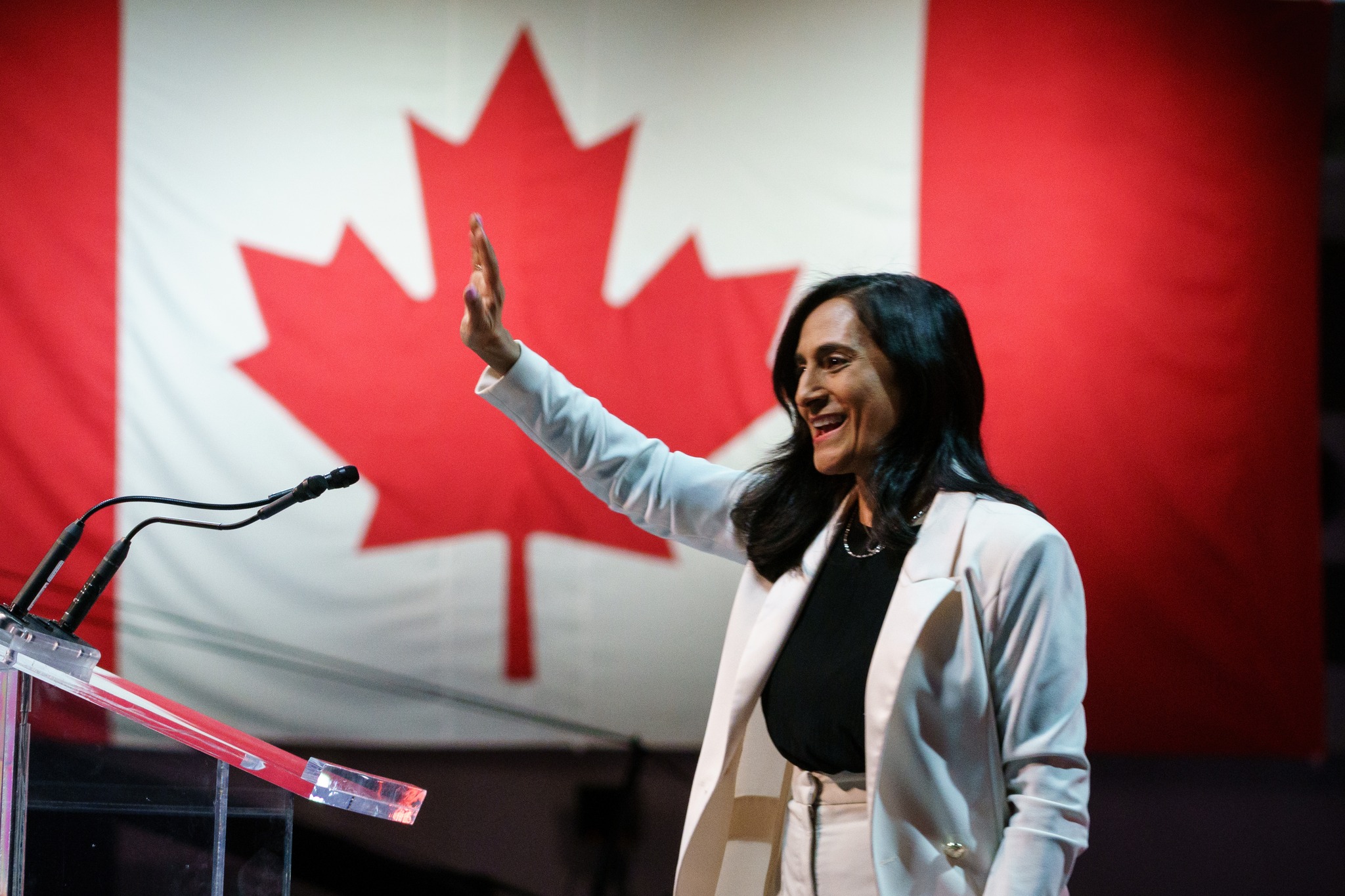
Foreign Affairs Minister Anita Anand says Ottawa has not been involved in — nor formally notified about — a U.S. purchase of Canadian-made armoured vehicles destined for use by Immigration and Customs Enforcement (ICE), despite mounting calls for the sale to be halted. Procurement records in the United States show nearly $10 million worth of Senator Emergency Response Tactical Vehicles were approved on Nov. 28 for ICE.
The vehicles, built by Brampton-based Roshel, are equipped to withstand grenade fire, rifle rounds and mines. Anand told reporters from the NATO foreign ministers’ meeting in Brussels that no export permits have crossed her desk and no inquiries have been made to Global Affairs Canada about the transfer. She emphasized the government’s open communication with Washington and noted she would raise the issue with Secretary of State Marco Rubio if required. Human-rights advocates argue there is already enough evidence for Canada to stop the shipment.
Project Ploughshares researcher Kelsey Gallagher pointed to ICE’s record of “arbitrary detention, abusive transfers and expulsions” tied to ethnicity, saying such conduct would normally trigger a Canadian arms-export refusal if the buyer were any country other than the United States. NDP MP Jenny Kwan called ICE’s recent enforcement activities “deeply troubling,” likening the agency’s actions to secret police tactics, and said it is “profoundly concerning” to equip it with military-grade vehicles. Canada does not publicly disclose data on military exports to the United States, nor does it require most U.S.-bound equipment to obtain export permits.
Still, the foreign affairs minister has authority to intervene. In 2024, then-minister Mélanie Joly blocked a U.S. ammunition order after learning it was intended for onward transfer to Israel. Gallagher argues the same standards should apply here and says Global Affairs should conduct a full human-rights risk review before approving any transfer. Roshel chief executive Roman Shimonov declined to discuss the ICE order, stating only that Roshel sells to the U.S. government. He dismissed the scrutiny, asking why armoured vehicle contracts receive attention while companies selling everyday goods like socks do not. Roshel has produced more than 2,000 Senator vehicles for Ukraine and employs nearly 500 workers in the Greater Toronto Area. Whether Ottawa will apply stricter scrutiny to this sale remains unclear.