





We are living through a hinge moment for Canada’s economy and our place in the world.
As the Prime Minister said recently in Davos, this is a rupture, not a transition. Long-standing assumptions about global trade, multilateralism, energy security, and economic partnerships no longer hold.
The old order is not coming back, and nostalgia is not a strategy. So the question facing Canada is straightforward: how do we respond?
My recent trip to India was part of our answer.
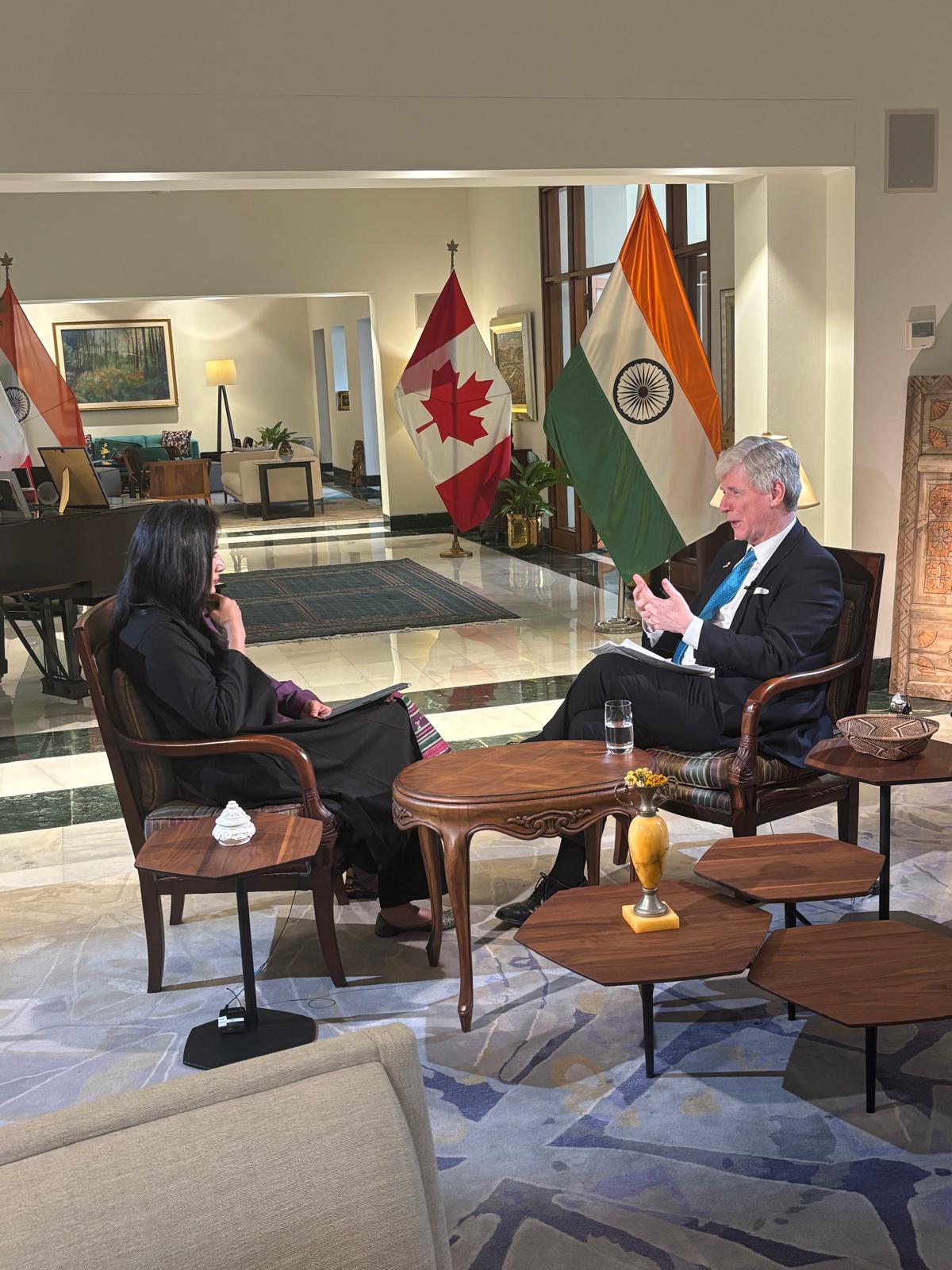
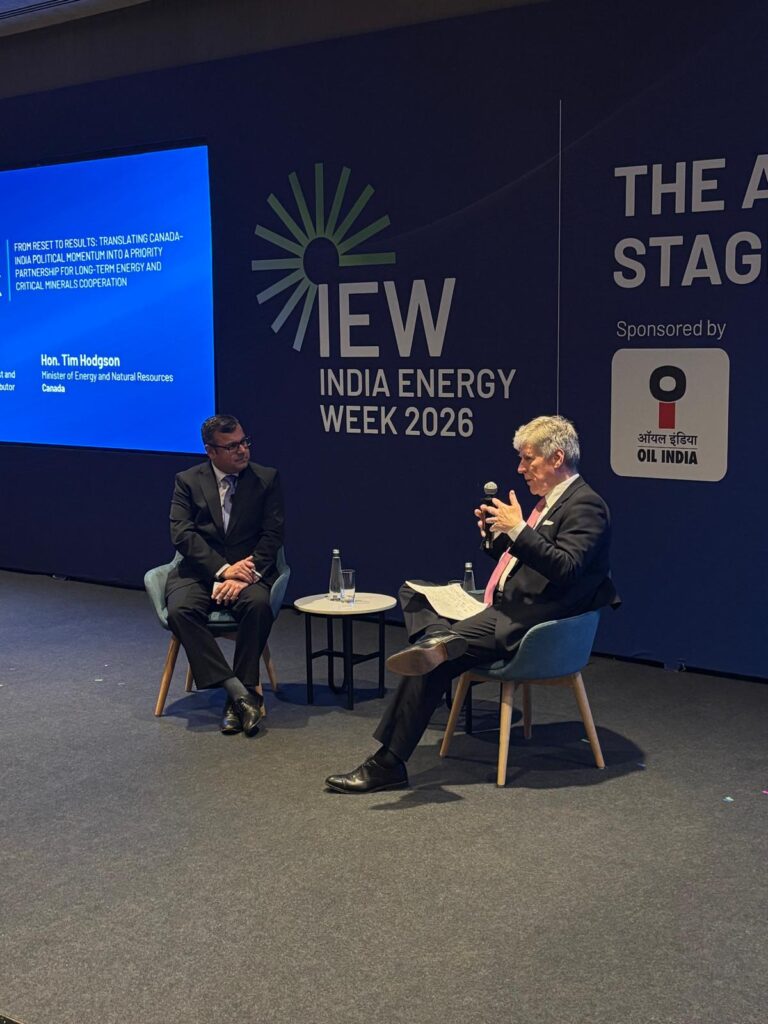
Earlier this month, I represented Canada at India Energy Week in Goa and met with Indian ministers, industry leaders, and global energy partners in New Delhi to discuss trade opportunities that will play a key role in the reset and strengthening of Canada-India relations.
This was the first time a Canadian federal minister has attended India Energy Week — and that matters.
It signals a clear shift in how Canada is engaging with one of the most consequential economies of this century.
For Canadians — and especially for the many families in Markham–Thornhill with deep ties to India — this visit was critical. It reflects Canada’s commitment to diversification, to resilience, and to building long-term prosperity in a changing world.
India is already the fastest-growing major economy on the planet. It is also the country with the fastest-growing energy demand, roughly equal to China and Southeast Asia combined. By 2040, India’s energy consumption is expected to more than double. It is pretty clear: if Canada is serious about being an energy superpower, we have to be serious about India.
Today, Canada and India’s two-way trade exceeds $23 billion annually and supports hundreds of thousands of jobs in both countries. It is supported by the close people-to-people ties between our two nations. But we are nowhere near the ceiling of what is possible. That is why under Prime Minister Carney, we have restarted negotiations on a Comprehensive Economic Partnership Agreement, or CEPA, which is expected to more than double bilateral trade to $70 billion by 2030. Energy, critical minerals, clean technology, agriculture, and advanced manufacturing will all be central to that agreement, and growing Canada-India trade and investment.
My objective during my trip to India was simple: turn Canada’s competitive advantages into future trading opportunities.
In Goa, I met with Minister Hardeep Singh Puri, India’s Minister of Petroleum and Natural Gas, where we officially reinstated the Canada–India Ministerial Energy Dialogue. This renewed dialogue creates a sustained government-to-government