





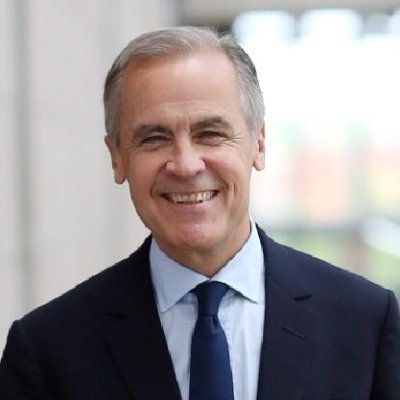
Prime Minister Mark Carney is bringing some of the world’s largest investors to Toronto as Canada looks to attract new capital and strengthen its economy amid an escalating trade dispute with the United States. The two-day investment summit is expected to open discussions around more than 160 potential projects spanning mining, energy, transportation, infrastructure and technology.
Among the prominent executives expected to attend are BlackRock CEO Larry Fink, Blackstone President Jon Gray, Temasek CEO Dilhan Pillay and APG Groep CEO Annette Mosman. The summit will bring together roughly 100 international investors with Canadian business leaders and local officials in an effort to establish investment partnerships. Major agreements, however, could take between 12 and 18 months to materialize.
Carney has set a target of attracting C$1 trillion in investment over the next five years, with his government seeking to accelerate major projects and reduce regulatory barriers. Carney said investors managing more than C$120 trillion in assets are attending the gathering as international interest in Canada grows. Attracting foreign investment has become increasingly important as Canada faces mounting U.S. tariffs and seeks to expand its economic relationships with Europe, Asia and the Middle East.
Ottawa is also moving to make major investments easier to execute. Finance Minister François-Philippe Champagne announced that the Canada Revenue Agency will prioritize advance income tax ruling requests involving investments of C$1 billion or more. The measure is intended to provide major investors with faster clarity on how Canadian tax rules would apply before they commit capital.
Projects being presented to investors range from early concepts to developments that are ready to proceed. Canada’s technology ambitions feature prominently, with 96 data centres currently in development. Potential opportunities include investment in Xanadu’s photonic quantum computer, an Alberta data centre campus and financing for a large-scale artificial intelligence and data centre development in New Brunswick. The Crawford Nickel Project and a proposed C$900-million high-speed transportation system connecting Calgary and Edmonton are also included.
Foreign direct investment into Canada has generally increased in recent years, averaging about C$23 billion per quarter in 2024 and 2025 before declining to approximately C$20 billion so far in 2026. Much of that investment has come through mergers, acquisitions and reinvested earnings, while spending on new factories, warehouses and other greenfield developments has yet to see a major increase since Carney became prime minister. BMO Capital Markets chief economist Doug Porter cautioned that attracting significant new investment can be difficult for a mature economy such as Canada’s.
Canadian financial institutions are also committing significant capital to the government’s growth agenda. TD announced a C$150-billion, five-year commitment to lending and financing across energy, critical minerals, defence and aerospace, digital technology, artificial intelligence and infrastructure. Scotiabank has separately committed C$100 billion in financing to support Canadian economic growth.
The summit has also drawn opposition from a coalition of labour unions, Indigenous organizations, housing advocates and climate and anti-war groups. Critics argue that some participants benefit from housing speculation, fossil-fuel development and defence investments. Protesters planned a march in Toronto on Monday, while the Council of Canadians characterized the gathering as an effort to privatize Canadian assets rather than a nation-building initiative.