





B.C. Premier David Eby says his government is not looking to trigger an early election in 2026, despite a turbulent year that tested the unity of the NDP coalition and unfolded against a backdrop of turmoil within the Opposition B.C. Conservatives.
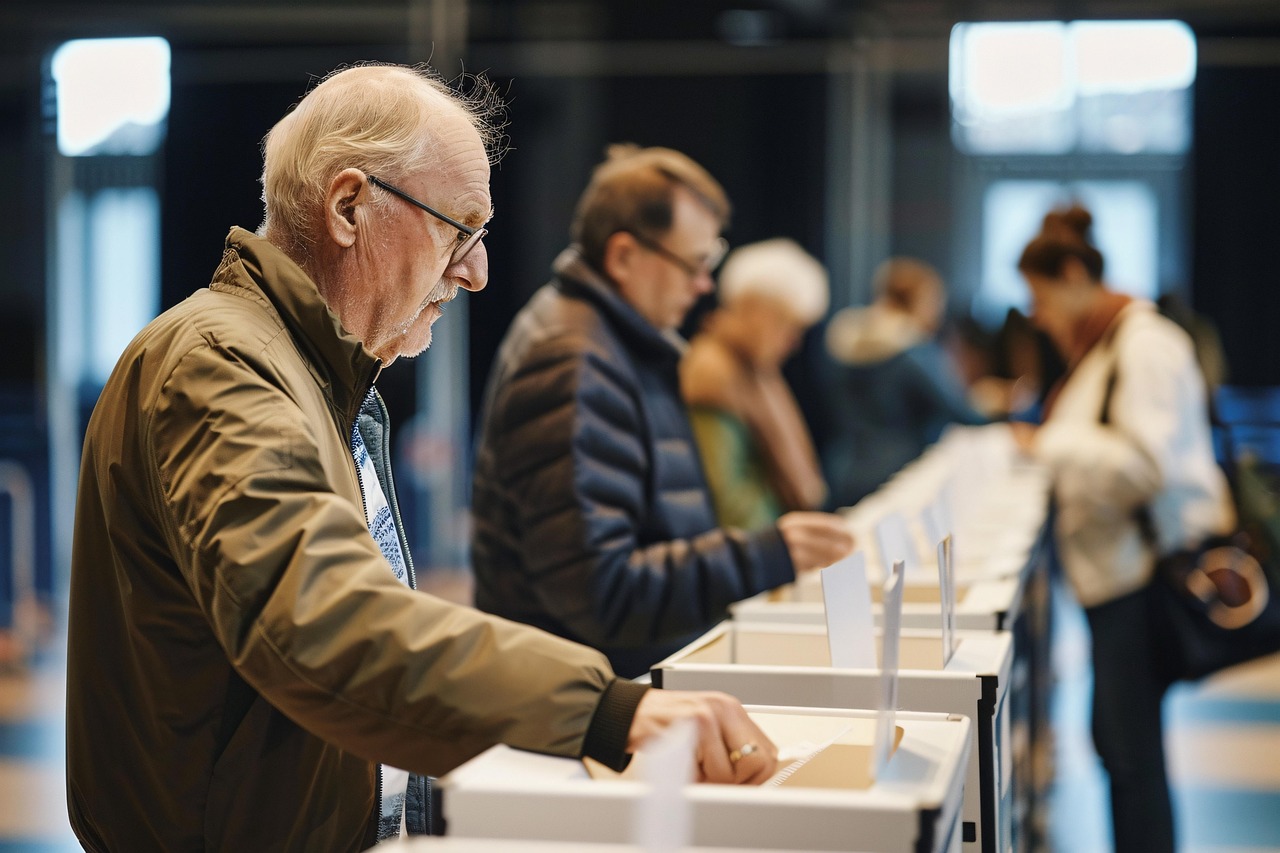
Speaking in a year-end interview, Eby said British Columbians do not want to be sent back to the polls, even as his government remains prepared for an election if circumstances force one. The NDP narrowly held onto power with a one-seat majority in the October 2024 provincial election.
Early December offered a snapshot of the political dynamic Eby has faced. On the same day news broke that a pulp mill in Crofton would close, costing 350 jobs, public attention shifted to upheaval within the Conservative caucus, where 20 MLAs called on then-leader John Rustad to resign.
Eby acknowledged the Conservative infighting has, at times, worked to his government’s advantage, but rejected suggestions that it amounted to an easy year politically.
“If that was a hall pass,” he quipped, “then I guess I’ll never ask to go to the bathroom again in school.”
He described 2025 as demanding and consequential, with major challenges requiring sustained effort from government and citizens alike.
The Conservatives endured months of instability marked by caucus defections, allegations of blackmail, and internal efforts to root out leaks, including cellphone checks during meetings. Rustad ultimately stepped down, leaving the party with a reduced caucus and Trevor Halford serving as interim leader ahead of a leadership contest.
While the chaos diverted attention from government missteps, Eby said it also risked undermining public confidence in democratic institutions.
The turmoil has fueled speculation that Eby might try to capitalize on the moment by calling an early election. He said that would only happen if the Opposition succeeded in blocking key legislation, noting that his government recently declared a vote on the North Coast Transmission Line a confidence matter — a motion that passed by a single vote with support from Speaker Raj Chouhan.
“We’re not seeking an election,” Eby said. “We’re ready if it becomes necessary, but British Columbians don’t want one.”
Beyond political manoeuvring, Eby’s government has faced mounting pressure from key allies. Relations with First Nations have been strained by proposed legislation to fast-track resource projects and by court rulings that found the province failed to adequately consult Indigenous communities on its mineral claims regime.
Eby acknowledged disagreements but insisted the government remains committed to working collaboratively with First Nations while ensuring private property protections and legislative authority remain clear.
Labour tensions also flared, including the largest public service strike in B.C.’s history, which lasted eight weeks before a deal was reached with the BC General Employees’ Union. The strike prompted some union leaders to question the NDP’s labour credentials, while the province’s Green Party sought to position itself as more visibly aligned with workers.
Environmental groups, including some within the NDP’s own ranks, criticized the government’s push for new northern B.C. resource projects, arguing it conflicted with climate commitments.
Compounding these challenges is the province’s deteriorating fiscal outlook. When Eby became premier in late 2022, B.C. was forecasting a multi-billion-dollar surplus. Three years later, the province is projecting a deficit of more than $11 billion.
Eby attributed the shift to declining resource prices and broader economic pressures, arguing that deep spending cuts would worsen hardships for residents already struggling with rising costs.
“We’re not going to cut our way out of this,” he said, noting the need for continued investment in schools, hospitals and essential services despite reductions in public service staffing.
While acknowledging ideological disagreements within the NDP, Eby pointed to strong support from the party’s recent leadership review, where nearly 83 per cent of delegates backed him.
He said that show of unity reflects an understanding of the difficult balance the government is trying to strike — navigating economic uncertainty, social pressures and competing priorities while keeping the focus on the interests of British Columbians.