





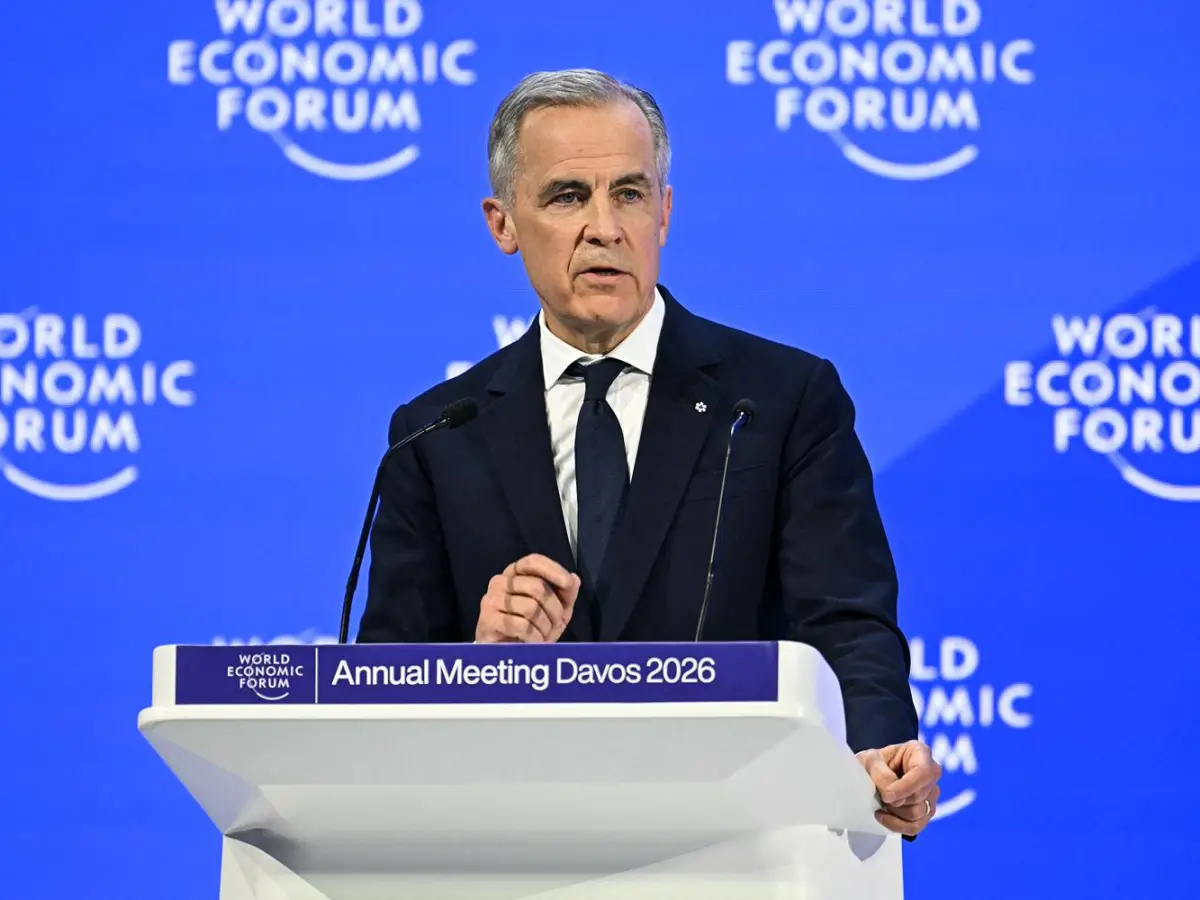
First Nations leaders are calling on Prime Minister Mark Carney to apologize after remarks he made during a protest involving a woman affected by mercury poisoning triggered widespread criticism.
The controversy stems from a press conference in Toronto, where Carney, responding to a protester in the background, said he could “outlast her,” drawing laughter from those around him.
The protester, Chrissy Isaacs from Grassy Narrows First Nation, was raising concerns about ongoing mercury contamination in her community — one of Canada’s most severe environmental crises.
Leaders from affected communities quickly condemned the comment. Grassy Narrows Chief Sherry Ackabee called the remark disrespectful, saying it made light of the suffering her people have endured for decades.
Chief Roland Fisher of Wabaseemoong Independent Nations also urged the federal government to take the concerns of Indigenous communities seriously and called for direct engagement.
The Prime Minister’s Office responded by stating that Carney could not hear what the demonstrators were saying at the time, and that government officials have since reached out to community leaders to address ongoing concerns.
However, community representatives have rejected that explanation, insisting the remark reflects a broader pattern of government inaction on long-standing issues.
The mercury contamination crisis dates back to the 1960s and 1970s, when industrial discharge polluted the English-Wabigoon River system. Decades later, the effects continue to impact generations, with studies suggesting a significant portion of the Grassy Narrows population suffers from mercury poisoning.
The condition can cause severe neurological damage and long-term health complications, with children and future generations particularly at risk.
The incident has also drawn political reaction, with critics questioning whether Indigenous concerns are being treated with the urgency and respect they deserve.
As calls for accountability grow, the controversy has reignited national attention on environmental justice, Indigenous rights, and the federal government’s response to long-standing community crises.