





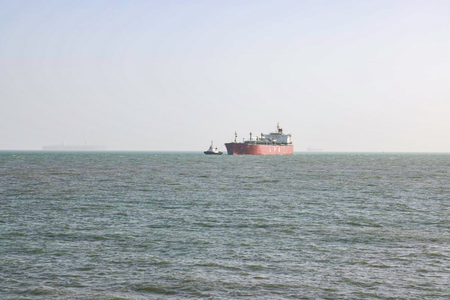
Global oil prices have fallen to their lowest levels since before the recent U.S.-Iran conflict, as markets increasingly bet that a diplomatic breakthrough between Washington and Tehran will help restore stability to energy supplies in the Persian Gulf.
U.S. crude prices dropped sharply on Wednesday, reversing gains recorded during the conflict when fighting disrupted shipping through the Strait of Hormuz, one of the world’s most important energy transit routes. The decline reflects growing optimism among traders that the U.S.-Iran agreement will lead to the reopening of the strategic waterway and reduce the risk of supply disruptions.
The Strait of Hormuz carries roughly one-fifth of the world’s oil shipments, making it a critical artery for global energy markets. Concerns over its closure during the conflict had pushed oil prices significantly higher and raised fears of broader economic consequences.
As markets responded positively to the easing tensions, U.S. Secretary of State Marco Rubio embarked on a diplomatic tour of the Persian Gulf aimed at securing regional support for the agreement. Rubio is meeting leaders in the United Arab Emirates, Kuwait and Bahrain — countries that have traditionally viewed Iran with skepticism and are expected to closely scrutinize the terms of the deal.
Washington hopes to reassure Gulf allies that the agreement will enhance regional stability while preventing further military escalation.
Despite the progress, significant challenges remain. One of the biggest obstacles to a long-term settlement is the future of Iran’s nuclear program.
Iran has pushed back against comments from a senior United Nations official suggesting international inspectors would receive unrestricted access to nuclear facilities. The dispute comes after several Trump administration officials stated that Tehran had agreed to allow inspectors from the International Atomic Energy Agency to visit nuclear sites as part of confidence-building measures.
The disagreement highlights ongoing tensions over verification and transparency, issues that remain central to any durable agreement between Iran and the international community.
While investors have welcomed signs of de-escalation, analysts say energy markets will continue to monitor developments closely, particularly negotiations surrounding nuclear inspections and the full reopening of the Strait of Hormuz. Any setbacks could quickly reverse recent price declines and renew concerns about global energy security.
For now, however, traders appear increasingly confident that diplomacy is replacing conflict, helping ease pressure on global oil markets and reducing fears of a prolonged regional crisis.