





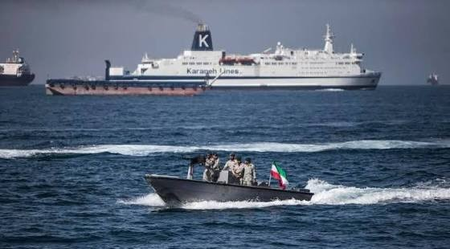
Shipping traffic through the Strait of Hormuz has fallen sharply as escalating conflict in the Middle East raises concerns about the security of one of the world’s most important energy routes.
Only seven vessels — five inbound and two outbound — passed through the strait during the latest 24-hour period, according to preliminary vessel-tracking data from Kpler cited by Reuters. That compares with a 10-day average of about 15 vessels travelling in both directions.
The figures, however, only account for vessels operating with their positioning systems switched on.
The actual number of ships travelling through the waterway could be considerably higher because some vessel operators are reportedly switching off their Automatic Identification System, or AIS, equipment to reduce the risk of detection and targeting.
Security threats weigh on shipping
Shipowners and energy exporters are becoming increasingly cautious about navigating the Strait of Hormuz as regional hostilities intensify.
The risks include attacks on tankers and growing concerns over threats from Iran-aligned Houthi forces in the Red Sea, including attacks targeting Saudi shipments.
The deteriorating security situation is also having a significant impact on global energy markets.
Oil prices climbed above $100 a barrel this week and were on course Friday to finish a trading week above that level for the first time since May.
Prospects for renewed peace negotiations between the United States and Iran also appear to have weakened as fighting continues across the region.
ING commodities strategists Warren Patterson and Ewa Manthey said oil markets are increasingly pricing in both the potential duration and severity of the conflict, along with the growing threat to regional energy supplies.
They noted that significant quantities of oil are still moving through the Strait of Hormuz, but flows remain well below levels recorded before the war.
Oil flows reportedly about half of pre-war levels
Current estimates put crude oil and petroleum product shipments leaving the Strait of Hormuz at approximately 10 million barrels per day, including about nine million barrels per day of crude oil.
Those volumes are roughly half of pre-war levels.
Reduced flows through the strait are particularly significant because Hormuz serves as a critical passage for oil and other energy exports from the Persian Gulf to international markets.
Fuel supplies also remain severely constrained, adding further pressure to already tight middle-distillate markets.
The sharp decline in visible shipping traffic highlights the growing economic consequences of the Middle East conflict, with continued disruption around the Strait of Hormuz carrying the potential to affect global oil supplies, shipping costs and energy prices.