





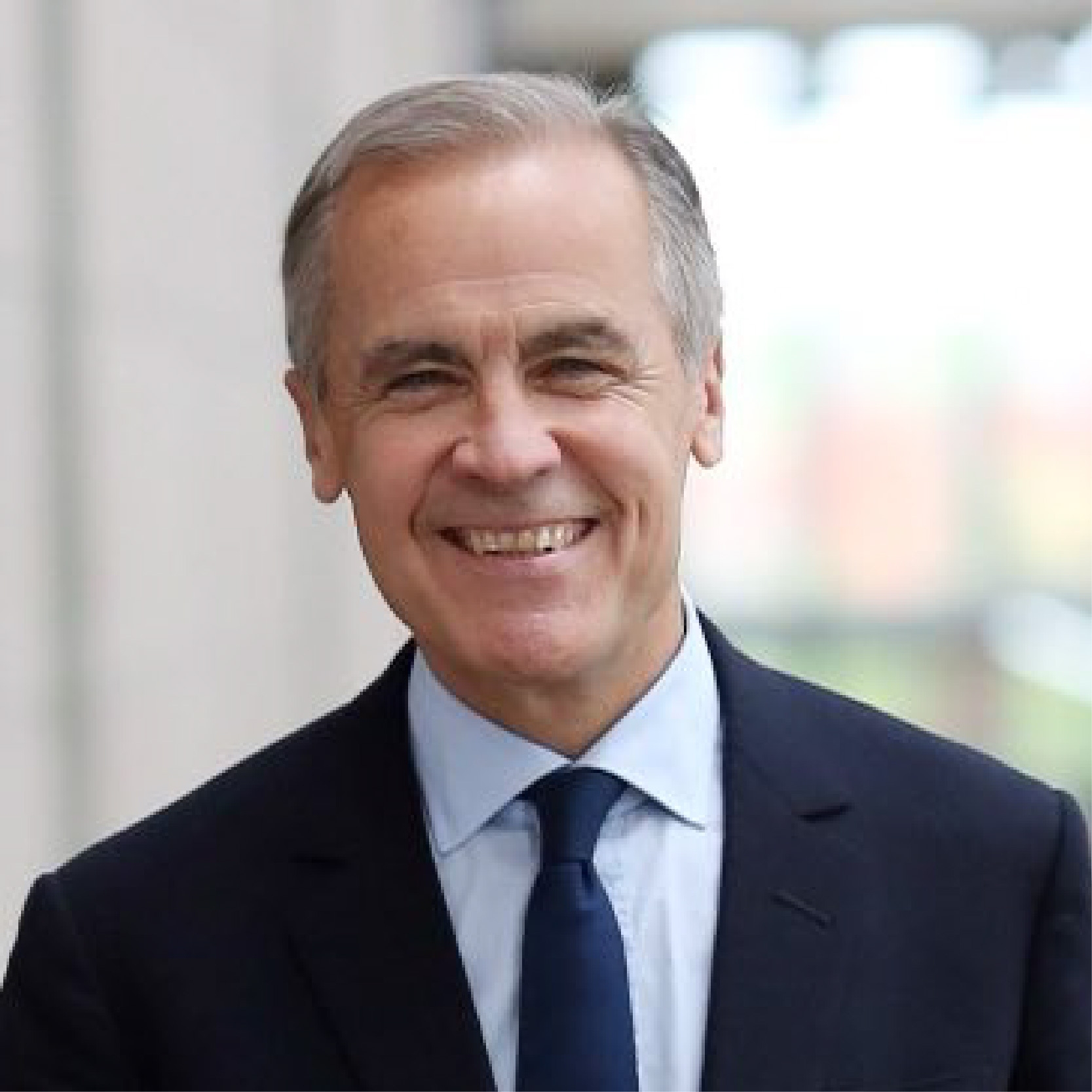
Prime Minister Mark Carney is set to address hundreds of First Nations chiefs in Ottawa today at the Assembly of First Nations’ December gathering, a meeting expected to carry significant tension following last week’s pipeline agreement between Ottawa and Alberta.
The deal, criticized by several First Nations leaders for lacking proper consultation and posing environmental risks, has sharpened scrutiny of Carney’s relationship with Indigenous communities. AFN National Chief Cindy Woodhouse Nepinak told The Canadian Press that “Canada is at a crossroads in its relationship with First Nations,” warning that Indigenous rights are being threatened in new ways even as First Nations grow stronger and more unified. Prime ministers traditionally attend the AFN’s December assembly to hear directly from chiefs and face questions about federal policy. Carney previously met with chiefs in Gatineau this summer to discuss his government’s contentious major projects legislation. Woodhouse Nepinak says the prime minister should now arrive with firm commitments, including progress on clean drinking water legislation that died earlier this year when the federal election was called.
Several senior cabinet ministers — including Crown-Indigenous Relations Minister Rebecca Alty, Finance Minister François-Philippe Champagne, Indigenous Services Minister Mandy Gull-Masty, Defence Minister David McGuinty and Energy and Natural Resources Minister Tim Hodgson — will also speak over the next three days. Hodgson recently faced backlash for dismissive comments toward Coastal First Nations about the lack of meetings before the pipeline deal; he later apologized, calling his remarks a “poor choice of words.”
First Nations leaders across the country have increasingly criticized the Carney government for introducing legislation that affects them without adequate input, arguing Ottawa’s push to reconfigure the economy amid U.S. President Donald Trump’s trade war has sidelined Indigenous rights. Woodhouse Nepinak said economic goals will not be achieved by excluding First Nations from decision-making, stressing that chiefs remain united in asserting jurisdiction over projects on their lands. Beyond the pipeline dispute, the three-day AFN assembly will debate resolutions on Indian Act reforms, First Nations status eligibility, child welfare, and the widening infrastructure gap — all areas where chiefs expect substantive federal action.