





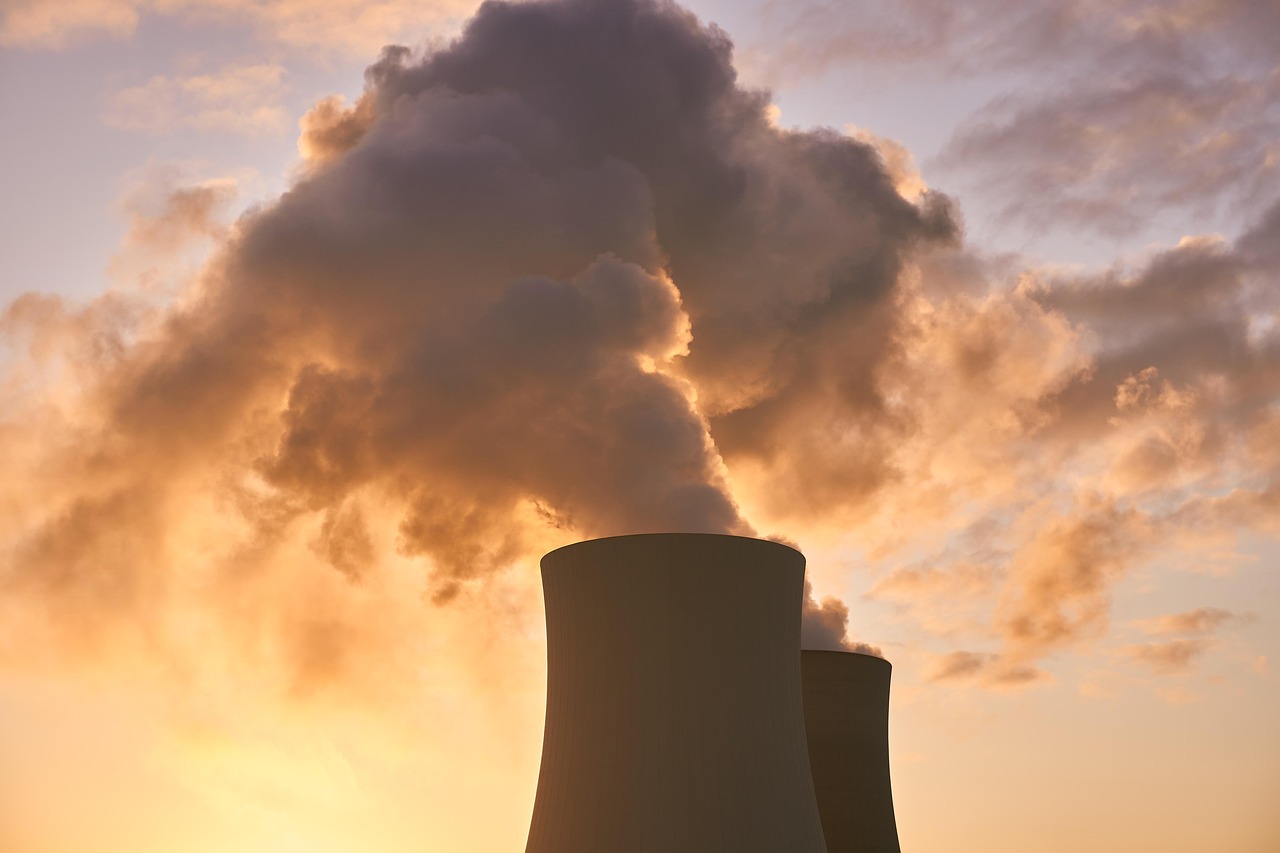
Seven Ontario First Nations are set to become part owners of a new nuclear reactor under a historic partnership with the federal and provincial governments, marking the first Indigenous equity stake in a nuclear energy project in Canada.
Ottawa and Queen’s Park are providing $700 million in loan guarantees to the Williams Treaties First Nations, a group of communities located east of Toronto. The financing will be converted into equity, giving the First Nations a minority ownership stake in one of four small modular reactors (SMRs) being built at the Darlington New Nuclear Project in Bowmanville by Ontario Power Generation.
Ontario Energy Minister Stephen Lecce described the agreement as a milestone for both economic reconciliation and Indigenous participation in major infrastructure projects.
The Williams Treaties First Nations include Alderville, Curve Lake, Hiawatha, Scugog Island, Chippewas of Beausoleil, Chippewas of Georgina Island and Chippewas of Rama First Nations. The communities are located around Lake Ontario and Lake Simcoe.
In a joint statement, the Chiefs of the seven First Nations called the agreement a “historic step forward,” saying it will create long-term economic opportunities while helping meet Ontario’s growing energy needs.
“Through this investment, we are not only creating opportunities for our own communities, but also helping advance a project that will play an important role in meeting Ontario and Canada’s future energy demands,” the chiefs said.
They added that the partnership demonstrates how First Nations can participate meaningfully in projects within their traditional territories as investors, partners and contributors to long-term economic success.
Construction is already underway on the first of four planned small modular reactors at the Darlington site, making it the first SMR project under construction in a G7 country.
The Darlington expansion is part of Ontario’s broader plan to increase electricity generation as demand rises due to population growth, electrification and industrial development. The four-reactor project is expected to cost approximately $21 billion, with the first reactor scheduled to begin operating by 2030.
Once all four reactors are online, they are expected to generate 1,200 megawatts of electricity—enough to power approximately 1.2 million homes.
Government officials say the agreement represents a new model for Indigenous participation in Canada’s clean energy sector, combining economic benefits for First Nations with long-term investments in the province’s energy future.