





Talks between the Indian government and Meta have entered their second week, with discussions increasingly focused on content moderation, recommendation algorithms, deepfakes and the legal protections available to social media platforms operating in India.
Officials familiar with the discussions say one of the central questions is whether Meta’s recommendation systems could affect its eligibility for “safe harbour” protection under Indian law. The protection generally limits an intermediary’s liability for content posted by third parties, provided it meets certain legal requirements.
Government officials are examining whether platforms remain passive intermediaries when their algorithms actively determine which content is recommended or amplified to individual users. The government is also considering whether paid-content and recommendation systems create responsibilities beyond those traditionally associated with online intermediaries.
Legal experts, however, differ over how India’s existing laws should apply to algorithmic recommendations.
Internet Freedom Foundation founder Apar Gupta argued that automated recommendation systems should not automatically be treated as platforms deliberately selecting the recipients of content. He warned that a broader interpretation could potentially affect services ranging from search rankings and spam filters to app stores and streaming recommendations.
Independent technology-policy researcher Jyoti Panday said the broader issue is whether recommendation algorithms simply facilitate the hosting of third-party content or actively curate, prioritize and amplify potentially unlawful material.
Government Pushes for Greater Human Oversight
Another major issue in the talks involves the role of human reviewers in content moderation.
Indian officials have expressed concerns that automated moderation systems may struggle to distinguish unlawful or harmful material from political satire, commentary or legitimate expression without understanding India’s languages, politics and social context.
The government is seeking stronger human oversight and wants reviewers involved in sensitive cases to have knowledge of Indian languages and local political and cultural circumstances. Officials have also sought additional human intervention in moderation decisions involving prominent public figures.
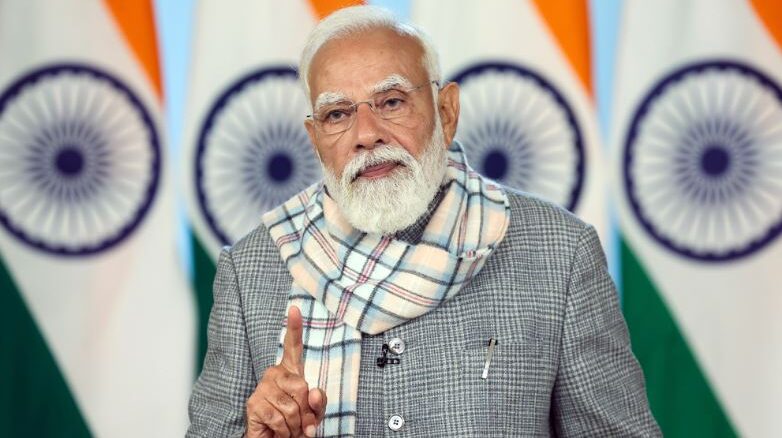
The issue gained additional attention following controversy over Meta’s handling of content involving Prime Minister Narendra Modi. Meta Chief Global Affairs Officer Joel Kaplan subsequently apologized to the Indian government for an error that resulted in restrictions being placed on a Modi post.
Deepfakes Emerge as Major Concern
The Indian government is also pressing Meta over its handling of deepfakes and other forms of manipulated or synthetic content.
Officials say the government wants stronger safeguards and is examining whether independent audits of algorithms should be considered. Authorities are concerned that manipulated content can spread rapidly online and potentially affect political discourse, public order and public trust.
India amended its IT Rules in February 2026 to introduce requirements covering synthetically generated information, including prominent labelling and provenance measures. However, digital-rights advocates have raised concerns about the reliability of detection systems and the potential impact of such rules on legitimate expression.
Three-Hour Takedown Requirement Under Scrutiny
Another point of discussion is India’s requirement for platforms to act within three hours on specified unlawful-content takedown directions under the amended IT Rules.
Government officials argue that rapid action is necessary because potentially unlawful material, particularly manipulated or synthetic content, can spread quickly across social media.
The requirement, however, creates a difficult balance. Authorities are simultaneously seeking faster takedowns and greater human oversight, meaning platforms may be expected to make legally and contextually sensitive decisions within a short period.
Following its second round of meetings with Meta, Indian government officials said the company had committed to exercising greater due diligence in dealing with unlawful content.
Scrutiny Could Expand Beyond Meta
The government’s examination of online platforms is not expected to stop with Meta.
Officials indicated that other technology companies could also be called for discussions as authorities assess whether platforms qualify as intermediaries under Indian law and whether their operations comply with the obligations associated with that status.
Indian authorities say global technology platforms operating in the country must comply with Indian law and the constitutional framework while avoiding unnecessary restrictions on legitimate expression.
With two rounds of high-level meetings completed, Meta’s India-based and technical teams are expected to continue discussions with the government on content moderation, human oversight, deepfake safeguards and technical controls surrounding automated decisions.