





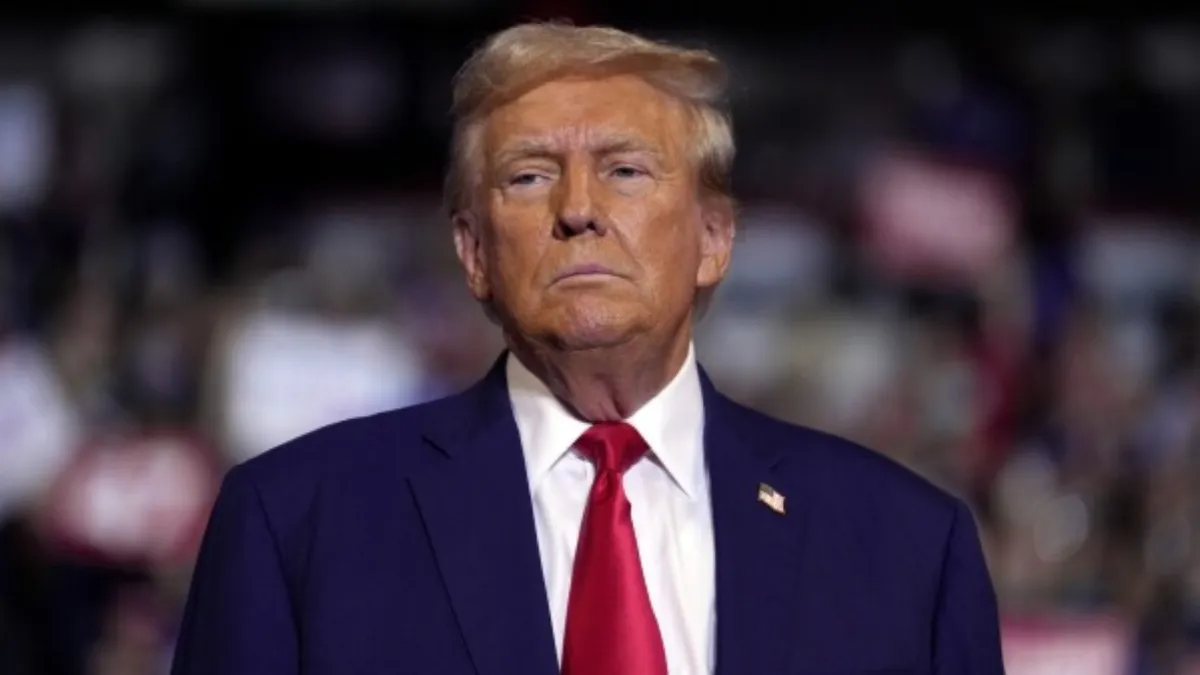
Prime Minister Mark Carney met with U.S. President Donald Trump for nearly 20 minutes on Wednesday, November 18, on the sidelines of the Asia-Pacific Economic Cooperation (APEC) summit in Shenzhen, China, as both countries continued efforts to resolve outstanding trade disputes.
According to the Prime Minister’s Office, the leaders discussed negotiations toward a mutually beneficial trade agreement aimed at supporting employment, improving affordability and protecting Canada’s languages, culture and sovereignty. Carney was accompanied by Foreign Affairs Minister Anita Anand and Chief of Staff Marc-André Blanchard, while Trump’s delegation included U.S. Trade Representative Jamieson Greer, Commerce Secretary Howard Lutnick, Secretary of State Marco Rubio and Chief of Staff Stephen Miller.
Speaking about the negotiations, Carney described Canada’s economic relationship with the United States as significantly broader and more complicated than its commercial ties with China. He attributed part of the difficulty to changes in Washington’s trade priorities, noting that the two neighbouring economies remain deeply interconnected across multiple industries. Carney characterized the progress of negotiations as moving “two steps forward, one step back,” with no formal agreement reached so far.
Discussions between Canadian and American officials have continued through regular telephone and virtual meetings, including exchanges involving Canadian Minister Dominic LeBlanc and his U.S. counterparts. Carney maintained that Ottawa remains focused on securing an agreement that serves Canadian economic interests rather than rushing negotiations.
The meeting followed Carney’s talks with Chinese President Xi Jinping on Tuesday, which resulted in additional tariff relief covering approximately $400 million in Canadian exports. Beijing agreed to reduce tariffs on selected Canadian agricultural and seafood products, including frozen pork and fish, while Ottawa extended exemptions on certain Chinese steel and aluminum imports for another two years.
Carney also emphasized the differences between Canada’s relationships with Washington and Beijing. While trade with China largely involves commodities such as agricultural products, seafood and energy, Canada’s economic ties with the United States extend into more integrated industries and sensitive technologies. Speaking virtually at the DealBook summit, he stressed that Canada does not maintain intelligence cooperation with China, unlike its longstanding security partnership with the United States.
Despite criticism from White House trade adviser Peter Navarro over Canada’s growing economic engagement with Beijing, Carney indicated that the issue was not a major focus of his conversation with Trump. He said Canada’s trade relationship with China was “not the top issue at all” for the U.S. president, as Ottawa continued pursuing closer commercial ties with Beijing alongside negotiations with Washington.