




Iran’s Supreme Leader Mojtaba Khamenei has issued a defiant warning that the country will protect its nuclear and missile capabilities at all costs, signaling a hardening stance amid fragile ceasefire conditions with the United States.
In a strongly worded statement, Khamenei described Iran’s nuclear and ballistic missile programs as “national assets,” rejecting any suggestion they could be negotiated away as part of a broader deal pushed by U.S. President Donald Trump.
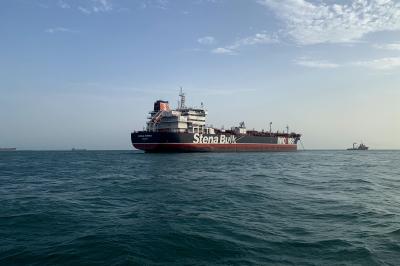
The remarks come as tensions remain high following weeks of conflict, with a shaky ceasefire now overshadowed by economic and strategic pressure points. A U.S. naval blockade continues to restrict Iran’s oil exports, while Tehran maintains control over the critical Strait of Hormuz — a chokepoint through which roughly one-fifth of global oil supply passes.
Global markets have already reacted, with Brent crude prices surging to as high as $126 per barrel, raising concerns over energy security and inflation worldwide.
Khamenei, who assumed leadership following the killing of his father Ali Khamenei earlier in the conflict, has maintained an openly confrontational tone. He warned that foreign powers — particularly the United States — have no place in the Persian Gulf, reinforcing Iran’s position as tensions escalate across the region.
Meanwhile, Washington is exploring options to reopen the Strait of Hormuz and stabilize global energy flows, even as diplomatic efforts continue behind the scenes. Pakistan has indicated it is facilitating indirect talks between Tehran and Washington, with calls growing for direct engagement to prevent further escalation.
Iran has also hinted at delaying negotiations over its nuclear program, further complicating efforts to reach a long-term resolution.
Khamenei’s remarks suggest that control over strategic assets — including nuclear capability, missile systems, and maritime routes — will remain central to Iran’s negotiating position, setting the stage for continued geopolitical friction in the region.