





New York City has released approximately 170,000 pages of previously undisclosed records concerning health risks following the September 11, 2001 attacks, renewing questions about what government officials knew about toxic air around Ground Zero and what residents, workers and first responders were told at the time.
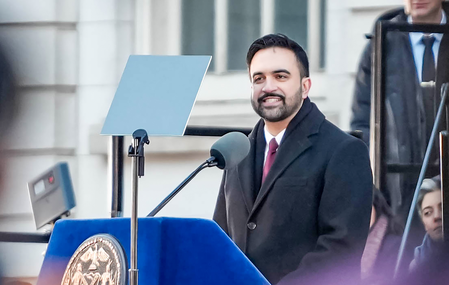
Mayor Zohran Mamdani announced the release just days before the 25th anniversary of the attacks, saying the documents would provide greater accountability over the city government’s response to the public-health consequences of the World Trade Center collapse.
Mamdani accused previous authorities of failing people exposed to hazardous conditions in Lower Manhattan, arguing that residents and workers were reassured about air safety despite serious health risks.
“People got sick because the leaders they trusted lied and told them they were safe to breathe in toxic air,” Mamdani said.
Thousands worked around Ground Zero
The collapse of the Twin Towers sent enormous clouds of dust and debris across Lower Manhattan, while fires continued burning among the rubble for months.
Thousands of police officers, firefighters, construction workers and others worked around the site, often without adequate protection. Residents and employees were also permitted to return to nearby buildings within weeks of the attacks.
In the years that followed, many people who lived or worked around Ground Zero developed respiratory and digestive illnesses, while others were later diagnosed with diseases including cancer.
Documents reveal concerns over lawsuits and toxic exposure
Among the newly released records is an October 2001 document sent to then-Deputy Mayor Robert Harding examining New York City’s potential legal exposure following the attacks.
Known as the Harding Memo, the document indicated officials anticipated as many as 10,000 lawsuits involving issues such as toxic exposure from poor air quality and allegedly faulty safety equipment.
The memo also discussed ways the city could limit its liability, including seeking congressional creation of a victims’ fund and requesting indemnification from the federal government.
Another memo from February 2002 documented concerns that criticism from U.S. Representative Jerry Nadler could create major public-relations problems and trigger a wave of lawsuits.
Former Giuliani administration adviser Ester Fuchs referred to Nadler’s allegations that documents showing higher-than-acceptable asbestos levels had been suppressed.
Fuchs acknowledged there was at least a low level of asbestos in dust inside many Lower Manhattan buildings and suggested the city should reconsider advice telling residents to clean their apartments using wet mops and rags.
Asbestos, which was used in the construction of the World Trade Center, is a known carcinogen associated with serious lung disease and mesothelioma.
Release follows years-long legal battle
City and federal officials repeatedly reassured residents, workers and first responders about air quality in the months following the attacks, but questions have persisted for decades about what authorities knew regarding contaminants and when they knew it.
The release follows litigation involving advocacy organizations including 9/11 Health Watch, which sought access to records detailing the government’s response to post-9/11 public-health concerns.
Mamdani criticized previous city administrations for resisting demands for greater transparency and said his administration would take a different approach.
The mayor also indicated that the latest disclosure may represent only a fraction of the material eventually made public, saying millions of additional pages could potentially be released over the coming year.
Jon Stewart joins survivors and advocates
Comedian and longtime 9/11 first-responder advocate Jon Stewart joined Mamdani, survivors and victims’ advocates at the announcement.
Stewart praised those who spent years seeking transparency while simultaneously dealing with serious illnesses.
He argued that earlier disclosure might not necessarily have changed every medical outcome but could have reduced the struggle victims faced in getting authorities to recognize the dangers posed by contaminants around Ground Zero.
9/11 Health Watch also welcomed the release, saying records had been withheld from the public, Congress and New York City Council across four mayoral administrations.
The organization said the documents shed further light on what officials knew about hazardous chemicals while authorities continued publicly describing the air as safe.
Health toll has continued to grow
The long-term health consequences of the attacks have surpassed the immediate death toll in New York.
Nearly 3,000 people were killed in New York on September 11, 2001. According to the World Trade Center Health Program figures cited in the report, approximately 4,343 people have since died from illnesses associated with the attacks.
The U.S. Centers for Disease Control and Prevention estimates that about 400,000 people were exposed to toxic contaminants, dangerous conditions or other circumstances that increased their risk of physical injury.
Mamdani described releasing the records as the right thing to do and said the obligation to victims requires turning the promise to “never forget” into meaningful action.
The disclosure could also lead to renewed scrutiny of New York City’s handling of post-9/11 health risks and potentially additional litigation over information that remained undisclosed for years.
Stewart said the release should be viewed not only as an effort to establish what government officials knew, but as part of the continuing push to ensure survivors and first responders receive appropriate healthcare.
“There’s more work to be done,” he said.