





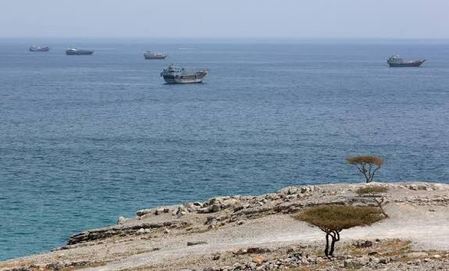
Senior diplomats from Iran and Oman met in Tehran on Tuesday to outline a phased strategy to restore commercial shipping through the Strait of Hormuz, nearly six months into the ongoing conflict between Iran and the U.S.-Israeli coalition.
The high-level negotiations between Omani Foreign Minister Badr al-Busaidi and Iranian Foreign Minister Abbas Araghchi yielded a proposal for a “joint temporary navigational corridor” alongside coordinated efforts to clear sea mines from the critical choke point. Prior to the conflict, approximately 20% of global oil supplies transited the narrow waterway.
The initiative faces steep geopolitical headwinds. U.S. President Donald Trump warned Oman against interfering with American efforts to forcibly reopen the strait, leaving Washington’s potential approval of the proposed bilateral corridor uncertain. Parallel diplomatic talks were also held between Iranian leadership and a visiting Pakistani delegation seeking to broker wider peace negotiations between Tehran and Washington.
Maritime Risks and Global Sanctions Spurt
Underscoring the high stakes in the region, an oil tanker was disabled off Oman’s eastern coast following an engine-targeted strike on Monday night, according to the UK Maritime Trade Organization (UKMTO). While the crew escaped unharmed and no environmental spills were immediately reported, the incident highlights the persistent hazards to international shipping.
The escalation is also intensifying economic friction among global powers. Following the U.S. Treasury Department’s imposition of sanctions on nearly 60 Iran-linked targets—including firms based in China—Beijing pushed back firmly. Chinese Foreign Ministry spokesperson Lin Jian stated that economic cooperation between China and Iran strictly complies with international law and warned Washington against disrupting bilateral trade. China remains the primary buyer of Iranian petroleum.
Escalation and Accountability Concerns in Gaza
Military operations continue to take a heavy toll across the Gaza Strip. Fresh Israeli strikes reported on Tuesday resulted in casualties at the Jabaliya refugee camp and near Khan Younis. The U.K.-based charity Medical Aid for Palestinians also reported that an airstrike destroyed a partner warehouse in Deir al-Balah storing critical nutritional aid for infants and mothers.
Concurrently, Israeli authorities seized a U.N.-run vocational school on the outskirts of Jerusalem. Citing land ownership disputes, the action drew sharp criticism from U.N. officials, who labeled the seizure illegal and noted it leaves 340 Palestinian refugees without access to educational services.
The operations coincide with the one-year anniversary of an Israeli double strike on Gaza’s Nasser Hospital that killed 22 Palestinians, including Reuters cameraman Hussam al-Masri and AP photojournalist Mariam Dagga. Human rights organizations continue to voice outrage over the absence of formal findings or legal accountability 12 months after the incident.