





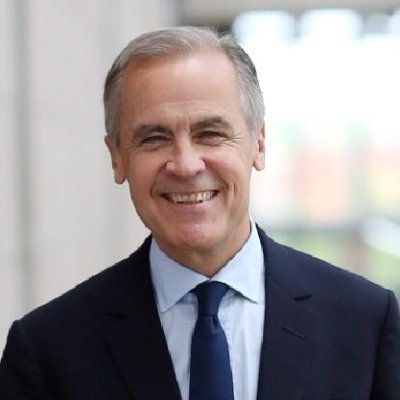
Prime Minister Mark Carney has sharply criticized Stelco and its U.S. parent company, Cleveland-Cliffs, following plans to lay off as many as 500 workers in Ontario, saying employees and their families have been “betrayed” and warning that Ottawa will enforce the company’s legal commitments.
Stelco Holdings announced the layoffs affecting its Hamilton and Lake Erie operations amid pressure from U.S. tariffs, increased imports and weaker demand.
Speaking in British Columbia, Carney said the federal government was deeply disappointed by the decision and pointed to commitments made when Ottawa approved Cleveland-Cliffs’ acquisition of Stelco.
“We were very disappointed at this decision by Stelco,” Carney said, adding that his thoughts were with workers and families “who have been betrayed by the company.”
As part of the federal approval of the takeover, Cleveland-Cliffs made binding five-year commitments related to maintaining unionized employment levels in Canada.
Carney said federal financial support is available and stressed that the company must honour its employment commitments.
“We intend to use all powers that we have and pursue them to the full extent of the law,” he said.
Carney points to U.S. tariffs
The prime minister also linked the situation facing Canadian steelworkers to U.S. President Donald Trump’s trade policies.
The United States has imposed 50 per cent tariffs on steel and aluminum imports, including Canadian products, despite the closely integrated nature of the North American steel industry.
Carney highlighted the position taken by Cleveland-Cliffs CEO Lourenco Goncalves, who has supported Trump’s tariffs.
The layoffs have renewed concerns that Washington’s tariff policies are encouraging manufacturers and investment to move south of the border as Trump seeks to expand U.S. industrial production.
Despite the escalating dispute, Carney said Canada remains prepared to negotiate with Washington in good faith and continues to believe a trade arrangement beneficial to both countries is possible.
Navarro takes aim at Canada
Carney’s comments came as senior Trump trade adviser Peter Navarro intensified his criticism of Canada’s response to Washington’s tariff strategy.
Speaking during a U.S. panel discussion, Navarro said numerous countries approached the Trump administration seeking agreements after Washington imposed tariffs on its trading partners.
He contrasted that approach with Canada’s efforts to lobby U.S. political and business figures in Washington.
Navarro compared Canada economically to a “rowboat” and the United States to an “aircraft carrier,” while telling Canadian lobbyists working in Washington to leave the country.
He later repeated the message on social media, arguing that tariffs had brought other countries to the negotiating table while Canada had instead relied on lobbying.
Asked about Navarro’s remarks — as well as Trump’s assertion that Canada would eventually apologize and reach a trade agreement with Washington within weeks — Carney initially laughed before saying he had “no response.”
Instead, the prime minister defended his government’s trade strategy and its broader effort to reduce Canada’s economic dependence on the United States.
Canada keeps trade options open
The dispute intensified further Tuesday as a new U.S. ban affecting certain Canadian products, including some alcoholic beverages, dairy byproducts and motorcycles, took effect.
Asked whether Canada could respond with additional trade measures, Carney said he had “never ruled anything out.”
At the same time, he argued that closer economic cooperation between Canada and the United States could help address pressures facing consumers and industries on both sides of the border.
Carney said the high cost of living in the United States is one area where Canadian resources and products could help, while several industries facing competitive pressures would be stronger through cross-border cooperation.
He also emphasized Canada’s role as a reliable partner in areas including energy, food, information and financial security.
However, the prime minister made clear that Ottawa will continue expanding its economic relationships beyond the United States.
Carney said Canada is seeking new international trade partners and foreign investment as the country works to become more economically independent and resilient.
“There is a host of strong partners around the world who want to do more with Canada,” he said.
Carney argued that strengthening and diversifying the Canadian economy would ultimately make the country a stronger partner — both for the United States and for other countries seeking deeper economic ties with Canada.