





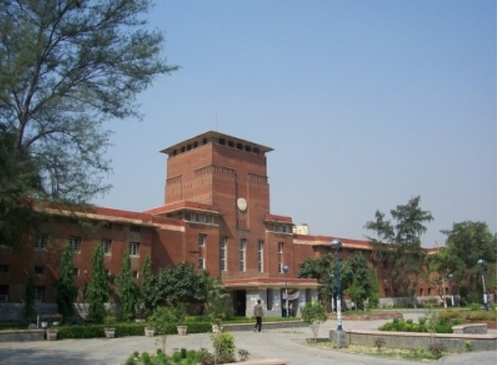
Student housing has emerged as a major campaign issue ahead of the Delhi University Students’ Union elections following a building collapse in Satya Niketan that killed seven people, including five students. The tragedy has renewed concerns over the shortage of university hostels and the dependence of students on private paying-guest accommodations.
DUSU elections are scheduled for September 18, with results expected the following day. Major student groups, including the AISA-SFI alliance, the RSS-backed Akhil Bharatiya Vidyarthi Parishad and the Aam Aadmi Party’s student wing, the Association of Students for Alternative Politics, have placed affordable and safe housing prominently in their election platforms. The Congress-backed National Students’ Union of India is also scheduled to release its manifesto.
The AISA-SFI alliance has linked the Satya Niketan tragedy to what it describes as a severe shortage of university accommodation. The group says fewer than five per cent of Delhi University students receive hostel accommodation, compared with a University Grants Commission norm of at least 60 per cent. It has demanded at least two hostels at every college, university support and subsidies for verified private accommodation, and enforcement of rent controls within a two-kilometre radius of colleges and major university areas.
Beyond housing, AISA-SFI has called for Delhi University to retain its own entrance examination instead of the Common University Entrance Test, eliminate mandatory attendance and debarment policies, and revise the 45 per cent internal assessment component. Its proposals also include 50 per cent representation for women on the central student panel, concessional Metro passes, menstrual leave, stronger grievance mechanisms, gender-neutral washrooms and increased support for research scholars and transgender students.
ABVP has made “Awas,” or housing, the first pillar of its election platform. It is promising additional hostels across Delhi University, separate girls’ hostels in every college, a dedicated Student Housing Cell and helpline, and improved sanitation and hygiene standards. The organization has also called for regulations governing private student accommodations and rents, along with fire and safety audits of hostels and PG facilities across Delhi-NCR.
ABVP’s wider platform focuses on student participation, safety and academic outcomes. Proposals include greater student representation in university decision-making bodies, increased hostel capacity and assistive technology for students with disabilities, an anti-discrimination and grievance cell, legal assistance in sexual harassment and assault cases, women-staffed police booths near campuses and hostels, and improved access to women’s health services.
ASAP, meanwhile, has made “Hostels for All” one of its four principal demands. The organization is calling on the central government to build additional student residences and cover students’ private accommodation expenses until sufficient hostel spaces become available. Its affordability platform also includes reversing fee increases, providing full concessions on Delhi Metro fares and offering free travel on DTC and cluster buses.
The AAP-affiliated student group has additionally proposed free counselling services in every college, a 24-hour student helpline, strengthened Internal Complaints Committees, menstrual leave of up to 15 days per semester without attendance penalties, permanent police response vehicles outside women’s colleges and gender-neutral washrooms.
ASAP is also seeking a uniform hostel reservation policy across Delhi University colleges, expanded scholarships for Scheduled Caste, Scheduled Tribe and Other Backward Class students, and greater transparency in admission spot rounds for reserved-category seats.
With the Satya Niketan collapse bringing student accommodation and building safety into sharper focus, housing has become one of the defining issues of this year’s DUSU campaign, with the major student organizations competing over proposals to expand hostel capacity, regulate private accommodation and reduce the financial burden facing students.