





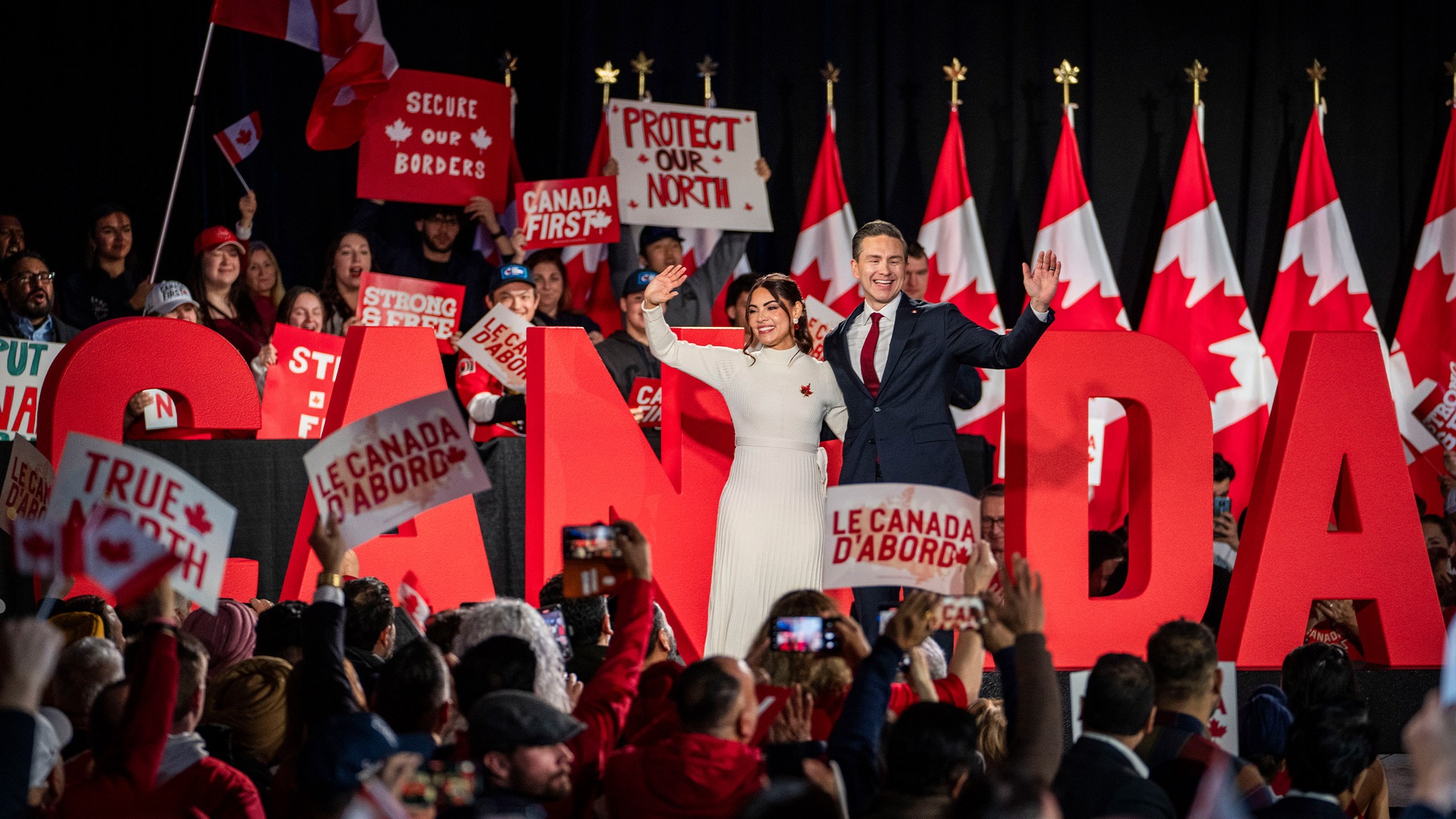
Conservative Leader Pierre Poilievre says his party will use an upcoming House motion to test whether Prime Minister Mark Carney’s government truly backs a new pipeline to the West Coast—or whether it is merely signalling support without intention to act.
The non-binding motion, echoing key wording of the recent Canada-Alberta energy agreement, will ask Liberal MPs to declare whether they support constructing one or more pipelines capable of moving up to a million barrels of Alberta crude per day to Asian markets through B.C. Poilievre told the media that the only barrier to construction is federal approval. “Grant a permit and let the construction begin,” he said, adding that unanimous Liberal support would prove the government is serious. Anything less, he argued, indicates “no commitment” to getting a pipeline built.
The Conservative motion also calls for potential amendments to the federal oil tanker ban on northern B.C.’s coast, while maintaining the legal duty to consult Indigenous communities. It mirrors the core language in the federal-Alberta memorandum of understanding signed in November, but leaves out Alberta’s part of the bargain—namely, reforms to industrial carbon pricing that Ottawa expects in exchange for backing export infrastructure.
Premier Danielle Smith has called the agreement “a great day for Alberta,” and Poilievre said he isn’t concerned that she signed on to it. “We want a pipeline to the Pacific. Let’s get it built.” However, former environment minister and Quebec MP Steven Guilbeault said he doubts Alberta will hold up its environmental commitments, pointing to recent industrial pricing changes that environmental advocates argue could weaken carbon costs. Rebecca Schulz, Alberta’s environment minister, rejected that criticism and said the revised system strengthens incentives for technological upgrades and emissions cuts.
The issue is politically delicate for many Liberal MPs, particularly in B.C. and Quebec, where a new pipeline faces strong public opposition. Pollster David Coletto said the vote will force MPs to weigh regional sentiment against federal strategy, potentially testing Liberal unity at a sensitive moment. Carney is also facing pushback from First Nations leaders. The Assembly of First Nations chiefs voted unanimously last week to demand the withdrawal of the Canada-Alberta deal, reaffirming support for the B.C. tanker moratorium and citing obligations under the UN Declaration on the Rights of Indigenous Peoples. Chief Donald Edgars of Haida Gwaii dismissed the pipeline plan as “nothing but a pipe dream.” Some Indigenous voices, however, say economic development must remain part of the conversation.
Indian Resource Council head Stephen Buffalo told sources that balancing climate concerns with job opportunities is possible if governments engage directly rather than legislate from a distance. Poilievre said Indigenous consultation is required but argued that if the federal government truly intended to move forward, it would have begun those talks immediately after the election. The motion vote expected Tuesday will clarify whether Liberals want to pursue the pipeline—and how far they are willing to go amid mounting regional resistance, cabinet splits on climate policy, and intensifying pressure from Alberta.