





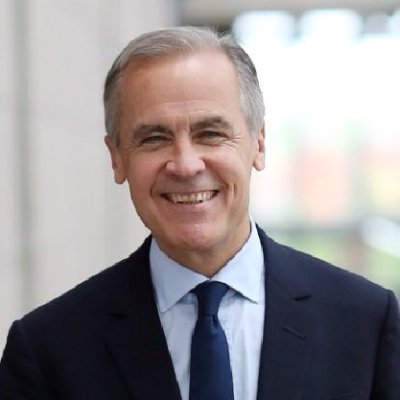
ime Minister Mark Carney travelled to Winnipeg following the release of the 2026 federal budget, titled Masters of Our Destiny, to promote a $30 billion national strategy aimed at eliminating homelessness across Canada within the next decade.
Joined by Manitoba Premier Wab Kinew, Carney outlined the federal government’s commitment to expanding affordable and supportive housing, strengthening mental health services and providing rental assistance to vulnerable Canadians.
The initiative forms part of a broader fiscal plan tabled by Finance Minister François-Philippe Champagne, which projects a $62.3 billion deficit for the 2026–2027 fiscal year, with federal expenditures reaching $602.6 billion against anticipated revenues of $540.3 billion.
Under the proposed homelessness strategy, Ottawa plans to allocate $11.2 billion over the next four years and $17.8 billion over a 10-year period toward transitional housing, mental health support and rental assistance programs.
The plan also includes targeted federal funding to develop 2,000 transitional and permanent supportive housing units, with provincial and municipal governments expected to play central roles in implementation.
Carney emphasized the importance of collaboration between federal, provincial and municipal authorities, alongside community organizations, to address the underlying causes of homelessness. The strategy seeks to integrate housing assistance with mental health care, social services and other support systems to help individuals secure stable accommodation.
Beyond housing, Budget 2026 introduces $142.1 billion in new spending measures and tax incentives over five years, designed to stimulate economic growth, encourage domestic business investment and address affordability pressures facing Canadian households.
The proposed measures include investment-related tax deductions for businesses and targeted financial relief intended to support consumers amid ongoing economic uncertainty.
The government is also directing additional revenues from corporate and personal income taxes, along with increased oil-related revenues, toward economic stimulus and public spending rather than prioritizing immediate debt reduction.
However, the budget’s substantial expenditures have renewed scrutiny of Ottawa’s fiscal position, particularly as federal debt-servicing costs continue to rise.
Public debt charges are projected to reach $60.2 billion during the current fiscal year, an amount comparable to the federal government’s annual health transfers to provinces and territories.
The figures highlight the financial pressures facing Ottawa as it attempts to balance ambitious social and economic commitments with growing borrowing costs.
Carney’s Winnipeg visit forms part of a broader national effort by the Liberal government to promote its budget priorities and explain how the proposed investments are intended to strengthen economic growth, improve affordability and address long-standing social challenges.
While the government has positioned its homelessness strategy as a major step toward improving housing security, the success of the initiative will depend on sustained funding, intergovernmental coordination and the ability to deliver new housing and support services over the coming decade.