






Kuwait calls the strike a “heinous Iranian aggression” as the Gulf Cooperation Council warns of a dangerous escalation
KUWAIT CITY — Two Italian technicians have been killed in an Iranian drone attack in Kuwait, the latest escalation in the war in the Gulf.
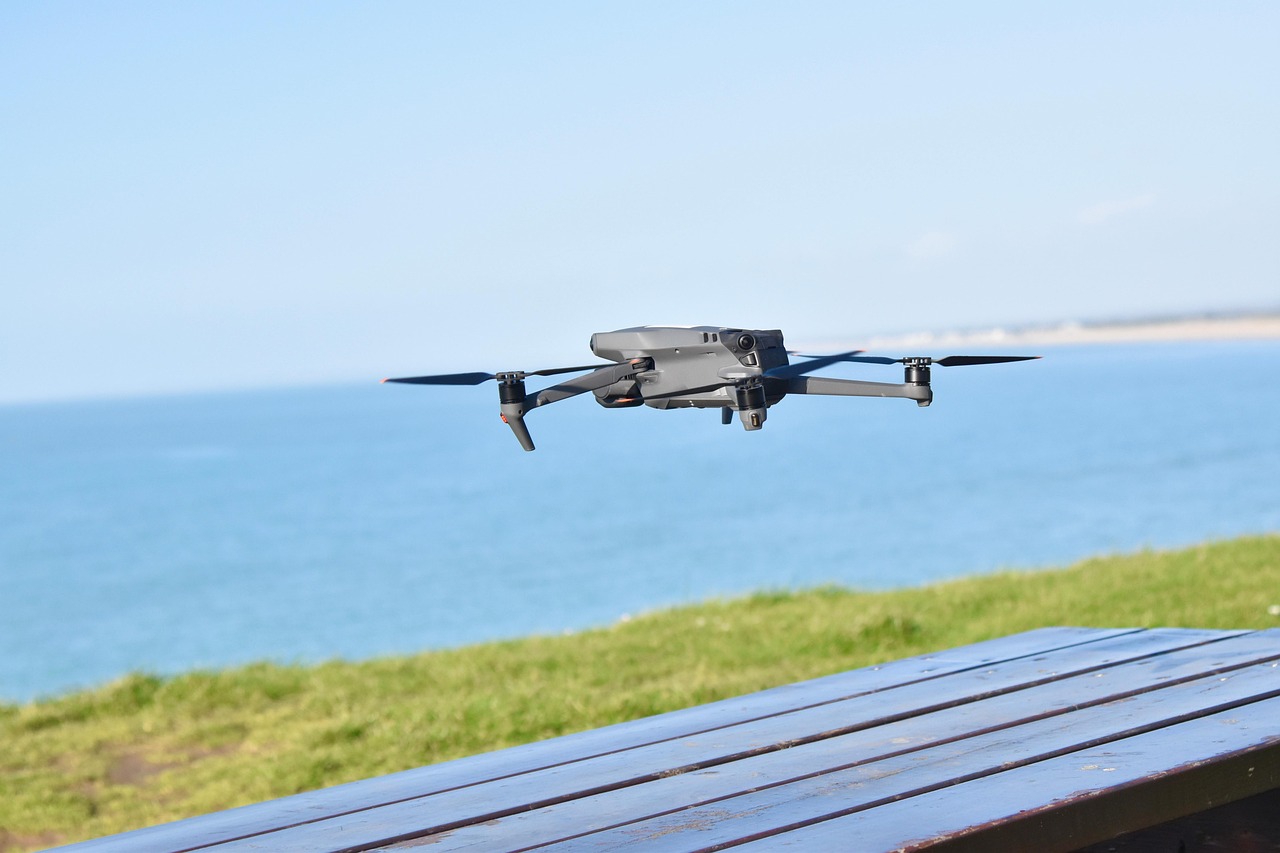
Kuwait’s Defence Ministry says its forces responded to several “hostile drones” launched by Iran at a “vital site.” Four people were hurt by shrapnel and falling debris: two Italians, a Kuwaiti and a Pakistani national. The two Italians later died.
Italy’s Foreign Ministry says the two men were technicians with Rheinmetall Italia, part of the German defence company Rheinmetall. It says they were killed in an explosion caused by a drone attack at the site where they were working. An Italian delegation happened to be in Kuwait at the time to discuss security.
Meloni expresses “deepest sorrow”
Italian Prime Minister Giorgia Meloni learned of the deaths while attending a European Council meeting. She expressed her “deepest sorrow” and offered condolences to the men’s families.
Kuwait and Gulf states condemn the attack
Kuwait’s Foreign Ministry called the attack a “heinous Iranian aggression” and a “flagrant violation” of the country’s sovereignty. It said Kuwait has every right to take all necessary measures to defend itself.
Jasem Mohamed Albudaiwi, secretary-general of the Gulf Cooperation Council, condemned the “brutal” attack. He said Iran’s continued strikes on Kuwait are a dangerous escalation that threatens the security of the region.
A pattern of strikes
Iran has not commented on the attack. Tehran has repeatedly struck Kuwait and Bahrain, saying it targets them because they host U.S. military assets.
Kuwait has been hit several times since the war began on Feb. 28, when the United States and Israel launched joint strikes on Iran. Iran responded by attacking American bases in Kuwait, the United Arab Emirates, Qatar, Bahrain and Jordan.
Italians have been caught up in the attacks before. In March, a drone struck the Ali Al Salem air base in Kuwait, which hosts Italian and U.S. forces, and destroyed an Italian surveillance drone. No one was hurt. In June, a strike on Kuwait City International Airport killed one person and injured more than 60. It was the first deadly attack in the Gulf since a fragile ceasefire took effect on April 8.
Al Jazeera reports that the latest deaths will make it much harder for mediators trying to bring the United States and Iran back to talks.
Close to home for South Asian families
For the South Asian community, this story is close to home. Hundreds of thousands of workers from India and Pakistan live and work in Kuwait and across the Gulf, and a Pakistani worker was among those injured. Families in Canada are watching and worrying about relatives in the region.
Tankers hit by mines in the Strait of Hormuz
Attacks on shipping are rising as Iran claims “complete control” of the waterway and oil prices climb
DUBAI — The Strait of Hormuz, the narrow waterway that carries much of the world’s oil, is becoming more dangerous by the day.
Iran’s Islamic Revolutionary Guard Corps (IRGC) says two oil tankers caught fire after hitting naval mines near Oman’s Khasab Port. It claims one was a supertanker carrying two million barrels of crude oil. The IRGC says the ships were trying to use an “unauthorised route” with their navigation systems turned off.
Separately, the United Kingdom Maritime Trade Operations agency says a third tanker was hit by an “unknown projectile” about 18 nautical miles east of Khasab. Its crew is accounted for.
Attacks on the rise
Attacks on shipping are increasing. Al Jazeera’s correspondent in Tehran reports that six ships were hit two days ago, four yesterday and at least two today.
The IRGC has made similar mine claims repeatedly since the summer, and the U.S. military has disputed some of them. Iran has told ships to use only channels close to its own coastline in the north of the strait and to stay away from the southern corridors near Oman, where it says mines have been laid.
Iran insists every vessel must use Iranian-designated shipping lanes and get clearance from Iranian authorities. The commander of the IRGC Navy says the strait is under Iran’s “complete control.”
Blockade and diplomacy
Iran is also under a U.S. naval blockade.
“They cannot blockade Iran. We will find ways to keep routes open,” said Iranian Foreign Minister Abbas Araghchi. He said mediators from Qatar and Pakistan are presenting new ideas, but that Iran’s demands have not changed.
Israel’s military says it is ready to attack Iran “even independently, without the Americans.” One Iranian analyst told Al Jazeera that a U.S.-Iran deal looks unlikely before the end of U.S. President Donald Trump’s term.
Impact at the pump
The conflict is pushing up oil prices. Brent crude is trading at about US$91 a barrel, compared with about US$72 before the war began on Feb. 28.
Analysts at ING say the tanker attacks have “brought supply risks back into focus.”
For Canadians, the war in the Gulf shows up every time they fill their tanks.