





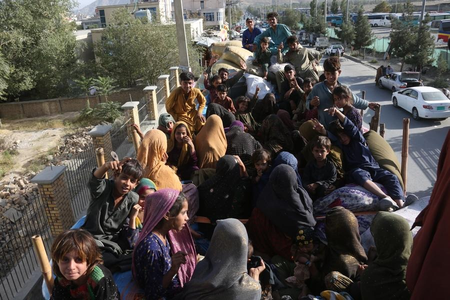
At least 6,148 Afghan refugees returned to Afghanistan from neighbouring Pakistan in a single day, Afghanistan’s High Commission for Addressing Returnees’ Problems reported on Monday.
The returnees crossed into the country through the Torkham border crossing on Sunday in eastern Nangarhar province and the Spin Boldak border crossing in southern Kandahar province, the commission said, adding that all received necessary government assistance upon arrival at the crossing points.
On the same day, 471 Afghan refugees returned from neighbouring Iran, it added.
About 2.8 million Afghan refugees returned home in 2025, sources reported.
More than 6 million Afghan refugees are still living in neighbouring Pakistan and Iran after decades of displacement, with both host countries urging undocumented Afghans to return home.
Earlier on March 25, a total of 398 Afghan prisoners were released from Pakistani prisons and returned to Afghanistan since the start of the Eid al-Fitr holidays, marking an increase compared to previous periods. On March 26, a key border crossing between Afghanistan and Pakistan was reopened to allow the return of Afghan migrants from Pakistan.
Earlier on April 18, the United Nations High Commissioner for Refugees (UNHCR) had reported that more than 86,000 Afghan migrants returned to the country from Iran and Pakistan within one month, according to local media Tolonews.
The report described the scale of returns as a significant humanitarian concern, highlighting challenges related to reintegration, access to essential services, and the limited capacity of host communities to absorb large numbers of returnees.
The ongoing movement reflects broader regional migration dynamics, with Afghan nationals returning for various reasons, including legal, economic, and protection-related factors.
The agency had further emphasised that sustained monitoring and strengthened international coordination are essential to ensure returning families receive adequate assistance and that their reintegration into society is both sustainable and dignified.