





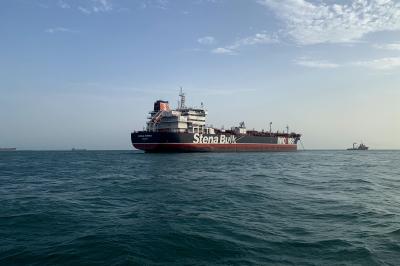
European leaders are spearheading a global diplomatic effort to reopen the strategically vital Strait of Hormuz, as tensions from the ongoing Iran war continue to disrupt energy supplies and global trade.
French President Emmanuel Macron and British Prime Minister Keir Starmer convened representatives from around 50 countries and international organizations in Paris, aiming to restore safe passage through the narrow waterway — through which roughly one-fifth of the world’s oil typically flows.
The initiative, notably excluding the United States, reflects growing efforts by non-belligerent nations to stabilize the global economy amid a conflict they have not directly joined. Since the war began in late February, Iran has effectively shut down the strait, triggering sharp economic repercussions worldwide.
Macron described the proposed mission as “strictly defensive,” emphasizing that any deployment would be limited to ensuring maritime security and would depend on evolving conditions on the ground.
Starmer underscored the urgency of reopening the route, calling it a “global responsibility” essential to restoring the flow of energy and trade.
Alongside diplomatic efforts, France and the U.K. are also advancing preliminary military planning. Proposed measures include mine-clearing operations, intelligence-sharing, and communication systems to safeguard vessels — rather than large-scale naval escorts, which experts say would require resources beyond current capacities.
Analysts suggest European-led operations may help reduce the risk of direct confrontation between Iran and the United States, as Western allies seek to play a stabilizing role without escalating tensions.
More than 40 nations have participated in recent discussions, though it remains unclear how many will commit military assets. The initiative also reflects a broader geopolitical shift, with European countries — and potentially partners like Canada — exploring more independent security roles outside U.S.-led frameworks.
The push comes as U.S. President Donald Trump continues to pressure allies to take on a greater role, even as Washington remains outside the current coordination efforts.
While momentum is building, questions remain over whether enough countries have the capacity — or political will — to secure one of the world’s most critical energy corridors.