





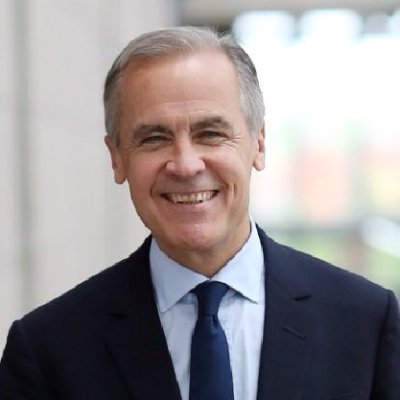
Prime Minister Mark Carney says Russian and Belarusian athletes will not compete in Canada as several European nations oppose a court ruling allowing Russia’s return to international hockey.
Canada has joined a growing coalition of countries refusing to compete against Russian ice hockey teams amid the ongoing war in Ukraine, with Prime Minister Mark Carney confirming that Russian and Belarusian athletes will not be permitted to represent their countries at the upcoming World Junior Hockey Championship in Alberta.
Speaking to reporters on Tuesday, November 3, Carney reaffirmed Canada’s opposition to Russia’s participation in international sporting competitions while the conflict continues.
“While Russia and Belarus are supporting this illegal, unjustified, horrific war in Ukraine, as long as that’s going on, there will be none of those athletes competing for their countries in Canada,” Carney said.
The announcement follows a ruling by the Court of Arbitration for Sport (CAS), which overturned restrictions preventing Russian teams from participating in International Ice Hockey Federation (IIHF) competitions.
Russia was initially suspended from international hockey following its full-scale invasion of Ukraine in February 2022, with the IIHF renewing the restrictions annually.
However, after several appeals by Russia’s hockey federation, the CAS ruled Friday that the safety and security concerns cited to justify the ban were not supported by sufficient evidence.
The decision has prompted opposition from several European hockey federations, which argue that allowing Russian teams to return while the war continues would undermine international sporting principles and potentially create security risks.
Finland’s Ice Hockey Association called on other countries Monday to oppose the ruling. Denmark, Sweden, Norway, Latvia and the Czech Republic subsequently announced their support for Finland’s position.
Norway was among the first countries to formally declare that its national teams would refuse to compete against Russia in international tournaments.
The Norwegian Ice Hockey Federation maintained that Russia should remain excluded from international championships until the war in Ukraine ends.
The federation also cited concerns about the safety and well-being of players, coaching staff and their families, arguing that competing against Russian teams under current circumstances could expose participants to significant security risks.
Ukraine welcomed the growing international opposition to Russia’s reinstatement.
Ukrainian Foreign Minister Andrii Sybiha thanked European hockey federations for refusing to compete against Russian teams and urged other countries to adopt similar measures.
“If CAS lacks a moral compass, let’s show that hockey still has values,” Sybiha wrote on X.
He also called for visa restrictions on Russian players, arguing that Russia’s military actions were incompatible with participation in international sporting competitions.
The CAS decision has created uncertainty for organizers and host cities preparing for upcoming international hockey tournaments, particularly in countries that oppose Russia’s participation.
The World Junior Hockey Championship is scheduled to begin on December 26 in Alberta, placing Canada among the countries directly affected by the ruling.
Carney’s statement signals that Canada intends to maintain its restrictions on Russian and Belarusian national representation despite the court’s decision.
The growing boycott highlights continuing divisions within international sports over Russia’s participation, as national federations weigh sporting regulations against security concerns and their governments’ positions on the war in Ukraine.