





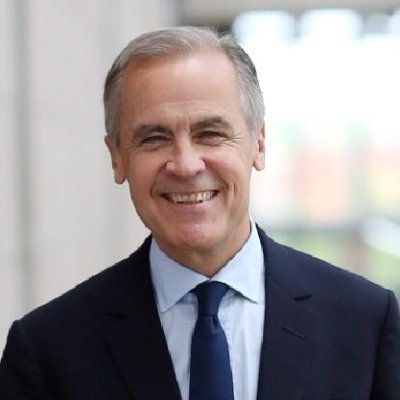
Prime Minister Mark Carney is rejecting recent statements from senior members of the Trump administration who have disputed Ottawa’s explanation for why Canada walked away from trade negotiations with the United States last month.
Speaking Thursday in Thunder Bay, Ont., Carney dismissed suggestions from U.S. cabinet officials that domestic Canadian politics — rather than last-minute American demands — caused the talks to collapse.
“I don’t think, with all respect, appointed, unelected cabinet members in the United States are experts on Canadian politics,” Carney said.
Canada withdrew its negotiating team on Aug. 21. Since then, Carney and Canada’s chief trade negotiator Janice Charette have maintained that Washington introduced changes late in the negotiations that Ottawa considered unfair and economically damaging.
Carney has said the proposed terms would have restricted Canada’s ability to negotiate trade agreements with other countries, weakened protections for the French language and Canadian culture, and undermined the country’s auto sector over time.
He said several issues that U.S. negotiators had presented as firm demands during the talks are now being played down publicly by American officials.
Carney questioned why provisions involving Canadian language and cultural protections remained part of the negotiations if, as U.S. officials now argue, Washington did not consider them important.
That account differs sharply from the version presented by members of U.S. President Donald Trump’s administration.
U.S. Commerce Secretary Howard Lutnick has said the two countries had effectively reached an agreement before Canada decided to withdraw for political reasons.
Lutnick also denied that Washington had sought changes affecting the French language, describing the issue as politically manufactured in Canada.
He suggested the dispute had been raised to influence domestic political debates, including Quebec politics and the independence issue in Alberta.
U.S. Trade Representative Jamieson Greer has also disputed Ottawa’s characterization of the negotiations. Greer said Canada introduced additional demands late in the talks that went beyond what the United States was prepared to accept.
Carney rejected that interpretation and said Canada remains willing to return to negotiations if Washington respects Ottawa’s core conditions.
He said any future agreement must be durable, economically beneficial to both countries and recognize Canada’s fundamental negotiating red lines.
Among those priorities, Carney said Canada must preserve its ability to protect and promote the French language, Canadian and Quebec culture, and its sovereignty to negotiate trade agreements with other countries.
Canada is also seeking assurances that tariff concessions reached in any future agreement cannot simply be reversed later.
Carney said there were points during the previous negotiations when Canada was not offered those protections and, in some cases, provisions being proposed would have moved in the opposite direction.
Charette has separately pushed back against American claims that Canada introduced concerns involving medium- and heavy-duty trucks only at the end of the negotiations. She said Canada repeatedly raised the issue throughout the final week of talks.
Shortly after Carney’s remarks Thursday, Trump responded on Truth Social, accusing the prime minister of portraying him as an enemy for political advantage and warning that Canada’s economy could suffer as a result.
Despite the increasingly hostile rhetoric, Carney said Ottawa remains prepared to negotiate.
“We’re ready to sit down and strike that deal when the Americans are ready,” he said.
The prime minister acknowledged that any future Canada-U.S. trade arrangement will likely look substantially different from agreements negotiated before Washington dramatically changed its tariff and trade policies.
However, he said Canada still requires competitive terms for key industries, particularly automobiles, steel and aluminum.
Carney also stressed that Washington must recognize the highly integrated nature of the North American auto industry, where supply chains and manufacturing operations extend across the Canada-U.S. border.
The dispute over the failed negotiations has unfolded alongside increasingly confrontational rhetoric from senior U.S. officials.
Trump administration officials have repeatedly mocked Canada in recent public statements and social-media posts. Carney earlier described some of those attacks as conduct “beneath their office.”
For now, the two governments remain publicly divided not only over the terms of a possible trade agreement, but also over what caused the previous negotiations to collapse.