





After months of escalating trade tensions between Canada and the United States, officials on both sides of the border are adopting a more optimistic tone, raising hopes that the two countries could be moving closer to an agreement.
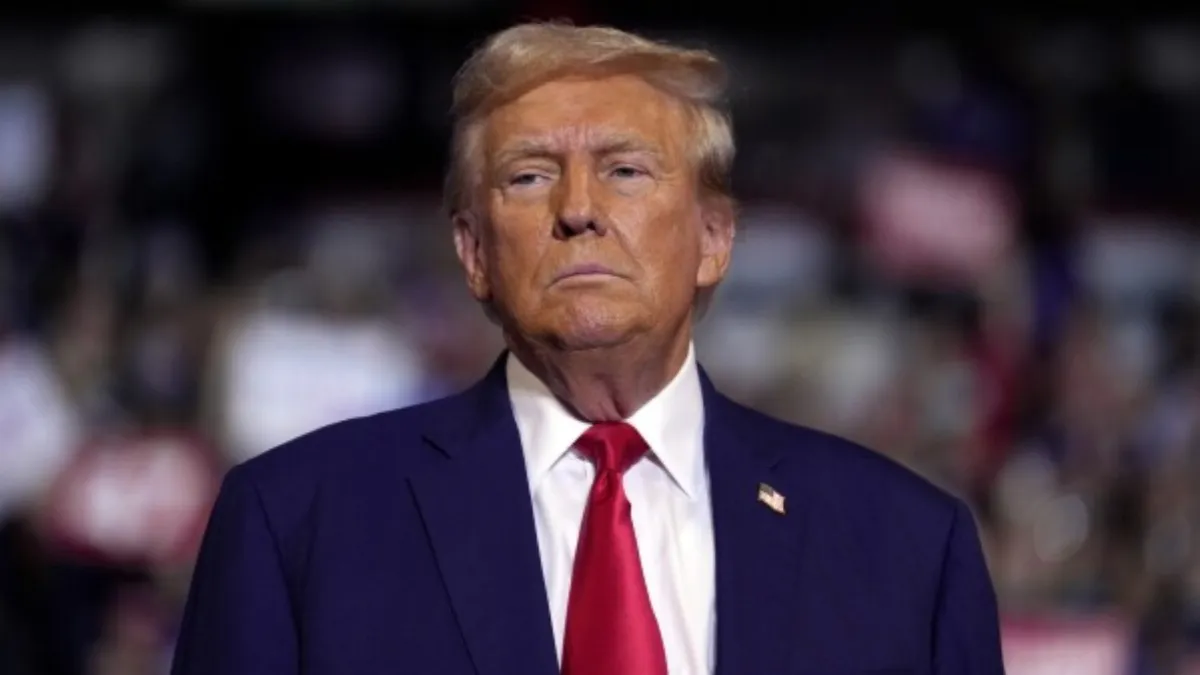
U.S. President Donald Trump has said a trade agreement with Canada could come “fairly soon” and has played down the possibility of Washington abandoning the Canada-United States-Mexico Agreement. Prime Minister Mark Carney has also taken a less confrontational approach, saying he does not expect another round of retaliatory tariffs between the two countries.
The change in rhetoric follows months of tariffs, counter-tariffs and difficult negotiations affecting major industries, including steel, aluminum and automobiles. However, no final agreement has been reached, and more conciliatory language does not yet amount to negotiated terms, tariff exemptions or a signed trade deal.
Still, indications that Ottawa and Washington may want to end the cycle of retaliation could provide some relief to businesses and consumers. At the same time, the months-long confrontation with the United States appears to be producing an unexpected political shift inside Alberta.
For years, Alberta separatism has largely been driven by anger toward Ottawa. Disputes over federal energy and environmental policies, regulation, equalization and the province’s place within Confederation have helped fuel arguments that Alberta could be better off outside Canada.
The confrontation with Washington is changing that political equation ahead of Alberta’s October 19 referendum. Instead of focusing exclusively on whether Alberta needs protection from decisions made in Ottawa, the debate is increasingly asking whether the province would be more economically secure confronting a powerful United States on its own or as part of Canada.
That represents an important shift for the federalist campaign. Pressure from Washington gives supporters of Canadian unity a new argument: whatever Alberta’s disagreements with Ottawa, remaining part of Canada could provide the province with greater negotiating power when dealing with its largest foreign market.
Alberta Premier Danielle Smith supports remaining in Canada even as the province proceeds with the referendum. Former Alberta deputy premier Thomas Lukaszuk, who organized the Forever Canadian petition, says more than 400,000 Albertans have signed the pro-Canada initiative. Alberta NDP Leader Naheed Nenshi has meanwhile called for the referendum to be postponed or cancelled, arguing that Canada needs unity during its confrontation with Washington.
Separatists are using the same geopolitical circumstances to make the opposite case. They argue Alberta controls one of North America’s most strategically important energy resources and that independence would allow the province to negotiate directly with the United States rather than relying on Ottawa to represent its interests.
The result is a significant reframing of Alberta’s sovereignty debate. What was primarily a political argument about Alberta’s relationship with Ottawa is increasingly becoming an economic and strategic argument about Alberta’s ability to navigate its relationship with Washington.
Trump’s trade war has therefore given both camps a new argument. Federalists say the confrontation demonstrates why Alberta needs the economic and diplomatic weight of Canada behind it. Separatists say the province’s oil and gas resources give it enough leverage to deal directly with the United States.
With the October 19 vote approaching, the central question is shifting accordingly: not simply whether Alberta would be better off without Ottawa, but whether it would be stronger facing Washington alone.