





The United States and Iran may be on the verge of signing a breakthrough agreement to reopen the Strait of Hormuz, raising hopes for an end to months of conflict that has disrupted global energy markets and heightened geopolitical tensions across the Middle East.
According to senior officials familiar with the discussions, negotiators are working toward a memorandum of understanding that could be signed on the sidelines of next week’s G7 Summit in Évian-les-Bains, France. Switzerland’s Geneva has emerged as a possible venue for a signing ceremony as early as Sunday.
Sources indicate the interim agreement would extend the current U.S.-Iran ceasefire by approximately two months while both sides continue negotiations over Iran’s nuclear program. In exchange, Iran would reopen the strategically vital Strait of Hormuz, while Washington would ease restrictions on Iranian ports and maritime trade.
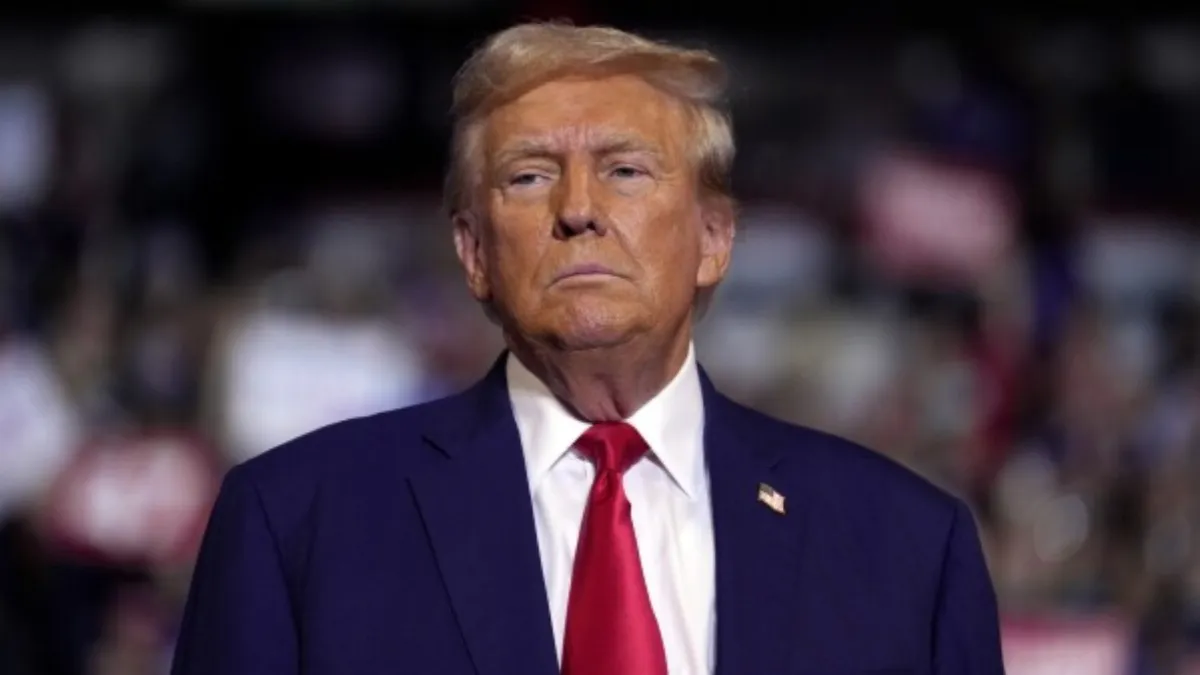
U.S. President Donald Trump suggested Vice President JD Vance and special envoy Steve Witkoff could represent the United States at any formal signing ceremony.
The Strait of Hormuz remains one of the world’s most critical energy chokepoints, handling roughly one-fifth of global oil and liquefied natural gas shipments. The conflict significantly disrupted maritime traffic after Iran targeted vessels with drones and missiles, causing energy prices to surge and contributing to inflationary pressures worldwide.
Markets reacted positively to reports of progress. Brent crude oil fell below $88 per barrel on Friday, extending losses after Trump announced he had cancelled planned airstrikes against Iran and suggested a diplomatic breakthrough was near.
Officials say the proposed agreement still requires approval from Iran’s Supreme Leader, Mojtaba Khamenei. Iranian officials have publicly stated that no final agreement has yet been reached, though they acknowledged negotiations have advanced significantly. Iranian state media separately reported that a draft agreement is nearly complete and awaiting final authorization from senior leadership.
Reports from Iranian media suggest the proposed framework could include the release of billions of dollars in frozen Iranian assets, the easing of certain oil sanctions, and discussions on reconstruction assistance following extensive damage caused by months of fighting.
Despite the progress, several obstacles remain. Israel, which is not participating in the negotiations, has expressed concerns about any arrangement that could limit military operations against Iranian-backed groups in the region. Israeli Prime Minister Benjamin Netanyahu has repeatedly signaled skepticism toward diplomatic agreements with Tehran and has advocated continued military pressure.
The potential deal follows weeks of escalating violence that brought the U.S.-Iran ceasefire close to collapse. Recent exchanges included attacks on military assets and regional bases before diplomatic efforts by mediators, including Qatar and Pakistan, helped revive negotiations.
If finalized, the agreement would mark one of the most significant diplomatic developments of the year and could become a major topic of discussion as G7 leaders gather in France next week.