





Before U.S.–Canada trade talks collapsed in October, negotiators were discussing a tariff-rate quota (TRQ) system that would have reduced levies on most Canadian steel exports while effectively capping how much steel could enter the U.S. market, according to three sources familiar with the discussions.
Washington’s proposal included two tiers of tariffs based on historical export volumes. Shipments below a set quota would face a levy between 10 and 15 per cent, significantly lower than the current 50-per-cent tariff. Any exports above the quota would be hit with a tariff between 25 and 50 per cent. The approach marked a shift from open trade toward managed trade, restricting Canada’s ability to expand steel exports beyond past levels.
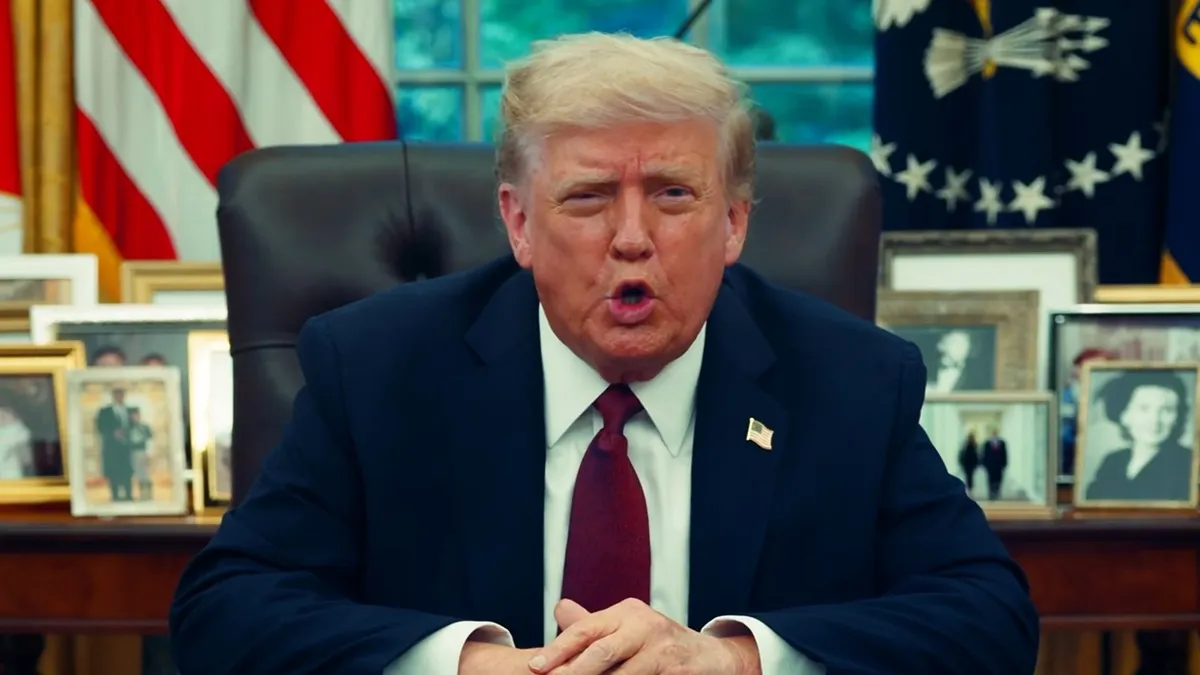
Negotiations ended abruptly after U.S. President Donald Trump reacted angrily to a Government of Ontario television advertisement aired in the United States. The episode stalled progress on resolving steel tariffs that have driven up costs for U.S. manufacturers and largely shut Canadian steel out of the American market.
Talks focused heavily on how quotas would be calculated—whether based on a single year of export data or multi-year averages—and on lowering the higher, outside-quota tariff rate. Kip Eideberg of the Association of Equipment Manufacturers, who confirmed details alongside two other sources, said negotiators worked to keep inside-quota tariffs closer to 10 per cent and to push the outside rate below 50 per cent.
The United States has used similar TRQ systems recently in trade arrangements with the European Union and Britain. Mr. Eideberg said he expects Washington and Ottawa to return to steel and aluminum discussions in the new year, with inflation concerns creating pressure to ease supply costs before next year’s U.S. midterm cycle.
The October collapse followed months of inconsistent negotiations triggered by Trump’s sweeping tariffs: 50 per cent on steel and aluminum, 25 per cent on automobiles with exemptions, and a 35-per-cent tariff on Canadian products deemed non-compliant with USMCA rules of origin. While most Canadian goods remain tariff-free under USMCA carve-outs, steel, aluminum and auto sectors have borne the brunt of these measures.
Prime Minister Mark Carney initially pushed for a comprehensive deal covering all trade disputes. When that failed, he narrowed focus to securing relief from targeted sector tariffs. After a White House meeting in early October, Carney, Trump and Mexico’s President Claudia Sheinbaum tasked officials with drafting solutions for steel, aluminum and energy—talks Trump later abandoned over the Ontario commercial.
Alongside preparations for next year’s USMCA review, Ottawa is tightening Canada’s own TRQ system for non-U.S. steel, raising tariffs on derivative products and ending tariff remissions for U.S. steel used by Canadian manufacturers, a move aimed at stabilizing domestic demand and supporting Canada’s steel mills.